 +86 17753100577
 manager@beflooring.com




La guida dell'esperto: cos'è l'SPC Click Flooring: 7 fattori chiave per gli acquirenti del 2025
9 dicembre 2025
Astratto
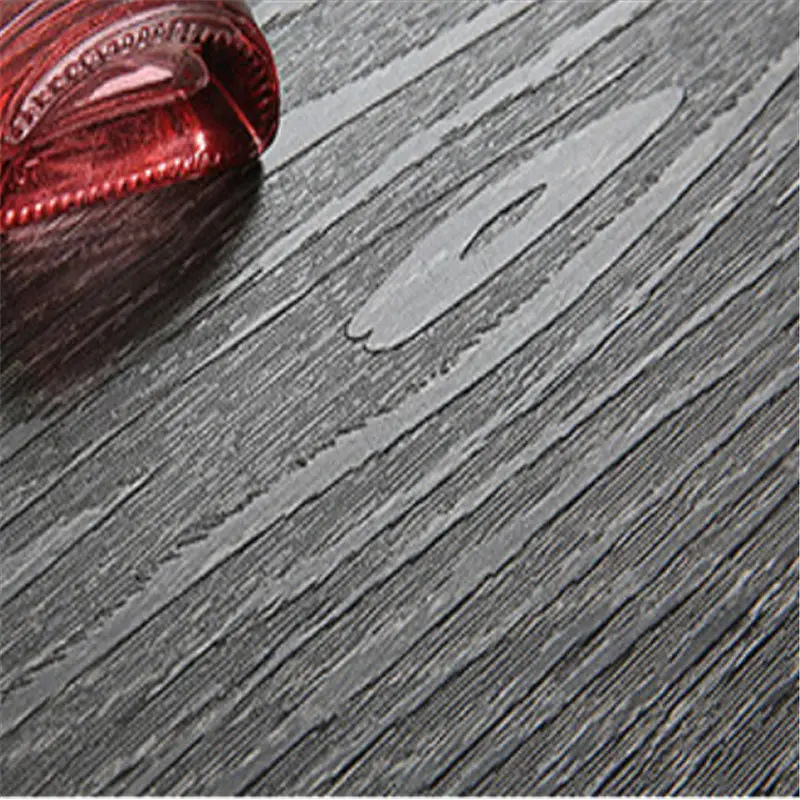
Stone Plastic Composite (SPC) click flooring represents a significant evolution in the resilient flooring category, prized for its exceptional durability and water resistance. This flooring material is constructed with a multi-layer system, featuring a rigid core composed of natural limestone powder, polyvinyl chloride, and stabilizers. This composition provides remarkable dimensional stability, making the flooring resistant to impacts, indentations, and temperature-induced expansion or contraction. The “click” designation refers to its glueless, interlocking plank system, which facilitates a straightforward floating floor installation. A high-definition decorative film allows for a vast array of aesthetic options, realistically mimicking natural materials like wood and stone. Topped with a robust wear layer and a UV coating, SPC click flooring offers superior protection against scratches, stains, and fading. Its inherent waterproof nature makes it suitable for installation in any room, including moisture-prone areas like kitchens, bathrooms, and basements, positioning it as a versatile solution for both residential and commercial applications.
Punti di forza
- The core is a rigid blend of limestone and PVC, offering superior dent resistance.
- SPC flooring is 100% waterproof, making it ideal for kitchens, bathrooms, and basements.
- Installation is a simple DIY-friendly process thanks to the interlocking click system.
- Understanding what is SPC click flooring involves knowing its multi-layer construction for durability.
- It provides high-end aesthetics with realistic wood and stone looks at a lower cost.
- Look for low-VOC and phthalate-free certifications for a healthier indoor environment.
- Its dimensional stability makes it suitable for a wide range of climates and temperatures.
Indice dei contenuti
- An Introduction to the Next Generation of Resilient Flooring
- Factor 1: The Core Composition – Unpacking the “Stone” in SPC
- Factor 2: The Layered Architecture – More Than Just a Core
- Factor 3: The “Click” Mechanism – Demystifying the Installation Process
- Factor 4: Performance and Durability – The Promise of a Resilient Floor
- Factor 5: Aesthetics and Design – Achieving Any Look Imaginable
- Factor 6: Health, Safety, and Environmental Considerations
- Factor 7: Cost Versus Value – A Long-Term Investment Analysis
- Domande frequenti (FAQ)
- Final Reflections on SPC Click Flooring
- Riferimenti
An Introduction to the Next Generation of Resilient Flooring
When we contemplate the surfaces beneath our feet, we are engaging with a fundamental aspect of our built environment. The floor is our literal foundation for daily life, a plane upon which our activities unfold. Its character—be it its texture, its resilience, its warmth, or its appearance—profoundly shapes our experience of a space. In the vast world of flooring materials, a relatively recent innovation has been gaining remarkable traction across diverse markets, from the sprawling suburbs of the United States to the dynamic urban centers of Europe and Southeast Asia. We are speaking of SPC click flooring. To begin to grasp the significance of this material, it is helpful to place it within a family of related products. You may have encountered terms like Luxury Vinyl Tile (LVT) or Wood Plastic Composite (WPC). These are its cousins, part of the resilient flooring category. Yet, SPC possesses a unique identity, a distinct set of characteristics that have propelled its popularity.
The acronym SPC stands for Stone Plastic Composite or Stone Polymer Composite. The name itself offers the first clue to its nature. It hints at a hybrid material, a fusion of mineral and polymer, of stone’s rigidity with plastic’s versatility. The “click” part of its name refers to the method of installation, a modern, glueless system of interlocking planks that has revolutionized how floors are laid. To truly understand what is SPC click flooring, we must move beyond a simple definition. We must deconstruct its physical makeup, examine its performance under real-world conditions, appreciate its aesthetic potential, and consider its implications for our health and the environment. It is a journey into material science, manufacturing technology, and interior design. Imagine you are building or renovating a space. What are your primary concerns for the floor? You likely want something that will last, something that can withstand the rigors of foot traffic, spills, and the occasional dropped object. You desire a floor that is easy to care for, one that does not demand constant, specialized attention. Aesthetically, it must align with your vision for the space, whether that is the rustic charm of aged wood or the sleek elegance of polished marble. Moreover, in an age of increasing awareness, you might also question the floor’s impact on your home’s air quality and its broader environmental footprint. SPC click flooring offers compelling answers to these fundamental questions, which explains its rapid adoption in projects ranging from family homes to commercial establishments.
Factor 1: The Core Composition – Unpacking the “Stone” in SPC
The heart of any flooring plank, its very essence, lies in its core. For traditional hardwood, it is solid wood. For laminate, it is high-density fiberboard. For SPC click flooring, the core is a technological marvel that gives the material its name and most of its defining properties. Understanding this core is the first and most vital step in comprehending what is SPC click flooring.
The Science of Rigidity: Limestone and PVC
The core of an SPC plank is a composite material. Think of it as a recipe. The primary ingredients are natural limestone powder, polyvinyl chloride (PVC), and a small amount of stabilizer. The limestone powder, which is essentially calcium carbonate, is a finely ground stone aggregate. It is dense, stable, and incredibly abundant. The PVC acts as a binding agent, holding the limestone particles together in a tightly fused, solid matrix. The stabilizers ensure the mixture remains consistent during the manufacturing process and contributes to the final product’s longevity.
This combination is what makes the SPC core “rigid.” Unlike earlier forms of vinyl flooring which were flexible, SPC planks have very little give. Try to bend an SPC plank; you will find it remarkably stiff. The high concentration of limestone (often 60% or more of the core’s composition) imparts a stone-like density and hardness. This density is the source of one of SPC’s most celebrated attributes: its exceptional resistance to impacts and indentations. Consider the pressure exerted by a heavy piece of furniture, a dropped kitchen pot, or even high-heeled shoes. On softer floors, these can leave permanent dents or marks. The dense, rigid core of SPC flooring distributes these forces over a wider area, making it far less susceptible to such damage. This characteristic is particularly valued in commercial settings or active family homes where the floor is subjected to constant stress.
Dimensional Stability Across Climates
Another profound consequence of the stone-based core is its dimensional stability. All materials expand and contract with changes in temperature and humidity. A classic example is a wooden door that sticks in the humid summer months. Traditional hardwood floors have gaps left around the perimeter of a room to accommodate this natural movement. Early types of vinyl flooring were also quite susceptible to temperature, becoming pliable in direct sunlight and potentially showing issues like peaking at the seams.
The SPC core, due to its high mineral content, is significantly more stable. It expands and contracts at a minimal rate. What does this mean for a homeowner in a place like Russia, with its dramatic temperature swings between winter and summer? Or for a business owner in Southeast Asia, where high humidity is a constant? It means the flooring will remain flat and stable. The seams between planks will not separate or buckle. This stability allows for SPC click flooring to be installed over large areas without the need for unsightly expansion moldings in doorways. It also makes it a suitable choice for rooms with large windows and direct sunlight exposure, like sunrooms or west-facing living rooms, where other types of vinyl might fail over time. The material’s resilience in varied conditions is a testament to its advanced composition, making it a truly global flooring solution.
Factor 2: The Layered Architecture – More Than Just a Core
While the rigid core is the defining feature, an SPC plank is not a monolithic slab. It is a sophisticated, multi-layered product where each layer performs a specific, vital function. To fully appreciate what is SPC click flooring, one must understand this layered architecture. Visualizing a cross-section of a plank can be a helpful mental exercise. From top to bottom, you would typically find four or five distinct strata working in concert.
The Protective Upper Layers: UV Coating and Wear Layer
At the very top is the UV Coating. This is a clear, often ceramic-infused, coating whose primary job is to protect the floor from the fading effects of sunlight. It acts like sunscreen for your floor, ensuring that the vibrant colors and patterns of the decorative layer beneath do not dull over time, even in rooms with intense natural light.
Directly beneath the UV coating is the Wear Layer. This is perhaps the most critical layer for the floor’s long-term durability and appearance retention. It is a transparent, high-strength layer of PVC that shields the printed design from scuffs, scratches, and stains. The thickness of the wear layer is a key indicator of the plank’s quality and intended use. It is measured in mils (a thousandth of an inch) in the United States or in millimeters (mm) in Europe and other regions.
| Spessore dello strato di usura (mils) | Wear Layer Thickness (mm) | Recommended Application |
|---|---|---|
| 6 – 12 mil | 0.15 – 0.3 mm | Light Residential (e.g., bedrooms, closets) |
| 12 – 20 mil | 0.3 – 0.5 mm | General Residential to Light Commercial (e.g., homes, small offices) |
| 20+ mil | 0.5 mm and above | Heavy Commercial (e.g., retail stores, restaurants, hotels) |
A thicker wear layer provides more protection. For a busy family home, a product with at least a 12 mil (0.3 mm) wear layer is advisable. For a high-traffic commercial space like a café or shop, a 20 mil (0.5 mm) or thicker wear layer is essential to ensure the floor maintains its appearance under constant foot traffic, moving chairs, and frequent cleaning. When shopping for SPC flooring, the wear layer specification is one of the most important numbers to look for.
The Aesthetic and Foundational Layers: Vinyl Layer and Underlayment
Under the transparent wear layer lies the Vinyl Layer, also known as the decor or print layer. This is where the magic of aesthetics happens. Using advanced, high-definition printing technology, this layer can replicate the look of virtually any natural material with stunning realism. Whether you desire the intricate grain of oak, the rich tones of walnut, the subtle veining of Carrara marble, or the texture of slate, it can be achieved on this layer. The quality of this print layer is what separates premium SPC flooring from lower-quality alternatives.
Beneath the print layer is the SPC Core, which we have already discussed in detail. It provides the plank’s rigidity, stability, and structure.
Finally, many SPC click flooring products now come with a pre-attached Underlayment or backing layer. This bottom layer is typically made from materials like cork or foam (IXPE or EVA). Its purpose is threefold. First, it provides a degree of sound insulation, reducing both ambient noise within the room and the transmission of sound to the floor below. This is a significant benefit for apartments, multi-story homes, and commercial spaces. Second, it adds a small amount of cushioning underfoot, making the floor more comfortable to stand and walk on. While SPC is a rigid product, the underlayment softens the feel slightly. Third, it can help to smooth over very minor imperfections in the subfloor, simplifying the installation process. Products with attached underlayment often eliminate the need to purchase and install a separate underlayment, saving time and money.
Factor 3: The “Click” Mechanism – Demystifying the Installation Process
The “click” in SPC click flooring is not merely a descriptive term; it refers to a specific and highly engineered technology that has made flooring installation more accessible than ever before. This system of interlocking planks is a cornerstone of what makes SPC flooring so appealing to both professional installers and do-it-yourself enthusiasts.
The Engineering of an Interlocking System
If you examine the edges of an SPC plank, you will notice a precisely milled profile. One long edge and one short edge will have a “tongue,” while the opposite edges will have a “groove.” These are not simple shapes; they are complex, patented profiles designed to lock together securely without the need for adhesives. Leading technologies in this field, such as those developed by companies like Unilin and Välinge, have become industry standards (Välinge Innovation, 2024).
The installation process involves a method known as a “floating floor.” This means the planks are not glued, nailed, or otherwise fastened to the subfloor below. Instead, they are connected only to each other, forming a single, continuous surface that “floats” on top of the subfloor. To install, the tongue of one plank is inserted into the groove of the adjacent plank at a slight angle. As the plank is lowered, the profiles engage and “click” together, creating a tight, seamless joint. This process is repeated row by row across the room. The precision of the milling is paramount; a well-made click system results in joints that are nearly invisible and highly resistant to water penetration.
Subfloor Preparation: The Foundation for Success
While the click system simplifies the installation of the planks themselves, success depends on a properly prepared subfloor. The subfloor is the existing surface onto which the SPC will be laid, which could be concrete, plywood, or even existing tile. The mantra for subfloor preparation is simple: it must be clean, flat, and dry.
- Clean: All debris, dust, grease, and dirt must be thoroughly removed. Any small particle trapped under the new floor can cause an annoying crunching sound or create a high spot.
- Flat: This is the most critical requirement for any floating floor. The SPC core is rigid, but it is not a structural bridge. It will follow the contours of the subfloor beneath it. If the subfloor has significant high spots or low spots, the click-locking mechanism can be stressed when someone walks over that area. Over time, this can lead to the joints creaking, or in severe cases, even breaking. Most manufacturers specify a flatness tolerance, for example, that the subfloor must not vary by more than 3/16 of an inch over a 10-foot span (or about 5 mm over 3 meters). High spots may need to be ground down, and low spots filled with a self-leveling compound.
- Dry: Moisture is the enemy of most building materials. While SPC planks are themselves 100% waterproof, excessive moisture coming from a concrete subfloor can become trapped underneath the flooring, leading to the growth of mold and mildew. Concrete subfloors should be tested for moisture content before installation.
A proper installation ensures the long-term performance of the floor and is a key part of leveraging the benefits of SPC. For those interested in the specifics, many manufacturers provide detailed guides, and there are countless resources available from organizations like the Floor Covering Institute that detail best practices for resilient flooring installation.
Factor 4: Performance and Durability – The Promise of a Resilient Floor
A floor’s value is ultimately measured by how well it performs over time. In this regard, SPC click flooring makes a compelling case. Its unique construction translates into a set of performance characteristics that meet the demands of modern living, from the quietest bedroom to the most demanding commercial environment.
The Unwavering Waterproof Guarantee
The most frequently touted benefit of SPC flooring is that it is 100% waterproof. Let us examine what this claim truly means. Both the rigid core and the vinyl layers are impervious to water. Water can be spilled on the surface and left for hours or even days without penetrating the plank and causing it to swell, warp, or delaminate. This is a fundamental difference from wood-based products like hardwood or even water-resistant laminate flooring. While some of the best laminate flooring options offer excellent topical water resistance, their fiberboard cores can still be damaged by prolonged exposure to moisture or water seeping into the joints.
The waterproof nature of SPC makes it a uniquely versatile product. It can be installed with confidence in areas where wood or laminate would be a risky choice: bathrooms, kitchens, laundry rooms, and basements. A dishwasher leak, a bathtub overflow, or the constant splashes from a pet’s water bowl will not damage the flooring material itself. This peace of mind is a major driver of its popularity, as it eliminates a common source of flooring failure and costly repairs.
Resistance to Scratches, Impacts, and Stains
Beyond being waterproof, a floor must stand up to daily wear and tear. As discussed earlier, the wear layer is the first line of defense against scratches. The thickness and quality of this layer determine how well the floor will resist damage from pet claws, dragged furniture, or grit tracked in on shoes. The addition of ceramic bead or aluminum oxide particles in the top coating further enhances this scratch resistance.
The dense SPC core provides exceptional impact and indentation resistance. A dropped can in the kitchen or a heavy object falling off a shelf is less likely to leave a permanent mark on SPC than on many other flooring types, including WPC (Wood Plastic Composite) flooring, which has a foamed, less dense core.
The non-porous surface of SPC flooring also makes it highly resistant to staining. Spills like wine, juice, or coffee can be easily wiped away without leaving a trace, as long as they are addressed in a timely manner. This ease of maintenance makes SPC an excellent choice for families with young children or anyone who values a low-maintenance lifestyle.
| Caratteristica | SPC Click Flooring | WPC Vinyl Flooring | Pavimento in laminato | Engineered Hardwood |
|---|---|---|---|---|
| Materiale del nucleo | Stone Plastic Composite (Rigid) | Wood Plastic Composite (Foamed) | Pannelli di fibra ad alta densità (HDF) | Plywood/HDF with Wood Veneer |
| Waterproof | 100% Waterproof | 100% Waterproof | Water-Resistant (Core is vulnerable) | No (Susceptible to water damage) |
| Dent Resistance | Excellent | Good | Good | Fair to Good |
| Scratch Resistance | Very Good to Excellent | Good to Very Good | Very Good to Excellent | Fair to Good |
| Comfort sotto i piedi | Firm (Improved with underlayment) | Softer and Quieter | Firm and Loud | Firm and Natural |
| Installazione | Floating Click-Lock | Floating Click-Lock | Floating Click-Lock | Floating, Glue-Down, or Nail-Down |
| Use in Wet Areas | Excellent | Excellent | Risky | Non consigliato |
This comparative table highlights the balanced profile of SPC flooring. While a high-quality waterproof laminate flooring might offer comparable scratch resistance, it cannot match SPC’s fully waterproof credentials. Similarly, while WPC is softer underfoot, SPC provides superior durability against dents.
Factor 5: Aesthetics and Design – Achieving Any Look Imaginable
Functionality and durability are essential, but the emotional appeal of a space is often driven by its aesthetics. A floor is a dominant visual element, a canvas that sets the tone for the entire room. One of the most remarkable aspects of SPC click flooring is its ability to combine immense practicality with virtually unlimited design freedom.
The Power of High-Definition Printing
The visual identity of an SPC plank is born in its printed vinyl layer. Modern rotogravure printing technology allows for the creation of incredibly detailed and realistic images. These are not simple, repeating patterns. High-end SPC products often feature multiple unique plank designs within a single box, a high pattern repeat, which mimics the natural variation found in real wood or stone. This prevents the floor from looking artificial or monotonous once installed.
The quality of the design film is a key differentiator. Premium manufacturers, such as those found among reputable pvc flooring roll suppliers, source their films from top-tier design houses in Europe and the United States, ensuring sophisticated and authentic visuals. The result is a product that can convincingly replicate the warm, intricate grain of a rare hardwood or the complex, veined patterns of a slab of Italian marble. This allows homeowners and designers to achieve the coveted look of expensive natural materials without the associated cost, maintenance, or performance limitations. The ability to have a floor that looks exactly like exotic hardwood in a full bathroom is a design possibility that was simply unavailable before the advent of waterproof flooring like SPC.
The Importance of Texture: Embossed in Register (EIR)
Visuals alone are not enough to create a convincing replica of a natural material. Texture plays an equally important role. Early generations of textured vinyl flooring had a generic, repeating texture that did not align with the printed image. You might see a wood knot but feel a completely different grain pattern over it.
The breakthrough technology that elevates modern SPC flooring is Embossed in Register (EIR). EIR is a manufacturing process that aligns the texture of the plank’s surface with the underlying photographic image. When you see a wood knot, you can feel the indentation and grain of that knot. When you see a grout line in a tile design, you feel a recessed line. This synchronization between sight and touch creates a level of realism that is truly remarkable. Running your hand over an EIR SPC plank can be a surprising experience; the texture can be so convincing that it is difficult to distinguish from the real thing without close inspection. This technology adds depth and character to the floor, transforming it from a simple surface covering into a rich, tactile element of the interior design. Many successful flooring projects, like those seen in growing markets such as Colombia, often utilize products with these advanced aesthetic features, as detailed in reports on popular click spc flooring factory solutions.
Factor 6: Health, Safety, and Environmental Considerations
As our understanding of the indoor environment’s impact on our well-being has grown, so too have the demands placed on the materials we bring into our homes and workplaces. A responsible examination of what is SPC click flooring must include a discussion of its health, safety, and environmental profile.
Indoor Air Quality: VOCs and Formaldehyde
A primary concern with many synthetic building materials is the emission of Volatile Organic Compounds (VOCs). VOCs are chemicals that can be released into the air at room temperature, and some can have adverse health effects. Formaldehyde is a well-known VOC that has been used in adhesives in many composite wood products.
Reputable SPC flooring manufacturers have made significant strides in addressing this issue. The core of SPC flooring is made without the adhesives that are a common source of formaldehyde in products like laminate flooring. High-quality SPC products are engineered to be low-VOC. To ensure you are choosing a safe product, look for third-party certifications. The most recognized certification for flooring in the United States is FloorScore®. A product that is FloorScore certified has been independently tested and verified to meet stringent indoor air quality (IAQ) requirements (SCS Global Services, n.d.). Another common certification is GREENGUARD Gold, which has even stricter limits on VOC emissions, making it suitable for sensitive environments like schools and healthcare facilities. When selecting SPC flooring, always ask for the product’s VOC emission data or look for these certification marks.
Another concern historically associated with vinyl products is the use of phthalates, which are chemicals used to make PVC more flexible. Since SPC is a rigid product, the need for these plasticizers is reduced. Many manufacturers now offer “phthalate-free” or “100% virgin PVC” products, which use alternative, non-ortho-phthalate plasticizers or avoid them altogether. Choosing products made from 100% virgin material ensures there are no recycled plastics of unknown origin or composition in your floor.
Sustainability and End-of-Life
The environmental profile of SPC flooring is complex. On one hand, the primary component of the core is limestone, which is an abundant natural resource. The long lifespan of SPC flooring—often warrantied for 25 years or more in residential settings—means it needs to be replaced less frequently than other, less durable flooring types, reducing overall consumption and waste.
On the other hand, PVC is a petroleum-derived plastic, and the product is not biodegradable. The recycling of composite materials like SPC is challenging, though the industry is making progress. Some manufacturers are beginning to establish take-back programs to reclaim and recycle post-industrial or post-consumer flooring. The use of a floating installation method also means the planks can be uninstalled without being destroyed and potentially reused in another location, which is not possible with glue-down floors. Consumers looking for the most sustainable options should seek out manufacturers who are transparent about their material sourcing, manufacturing processes, and end-of-life options. A visit to a top-tier pavimento in laminato impermeabile manufacturer’s website can often provide detailed information on their environmental commitments.
Factor 7: Cost Versus Value – A Long-Term Investment Analysis
For any project, the budget is a practical reality. When evaluating flooring options, it is tempting to focus solely on the upfront material cost per square foot or square meter. However, a more insightful approach is to consider the total lifetime value of the investment. This involves looking at the initial cost, installation expenses, and long-term costs associated with maintenance and replacement.
Upfront Cost and Installation
SPC click flooring typically sits in the mid-range of the flooring market. It is generally more affordable than natural hardwood, engineered hardwood, and high-end porcelain tile. Its price point is often comparable to or slightly higher than that of high-quality laminate flooring or WPC flooring. Within the SPC category itself, prices can vary significantly based on factors like the thickness of the plank, the thickness of the wear layer, the quality of the print film, and whether it has an attached underlayment and features like EIR texturing.
A significant cost-saving advantage of SPC click flooring is its DIY-friendly installation. The click-lock system allows a handy homeowner to install the floor themselves, eliminating the cost of professional labor, which can be substantial. While a professional installation will always yield the best results, the potential for DIY savings makes SPC an attractive option for budget-conscious projects. Even for those who opt for professional installation, the speed and simplicity of installing a floating floor can lead to lower labor charges compared to more complex installations like glue-down vinyl or tile.
The Long-Term Value Proposition
The true economic benefit of SPC flooring becomes apparent when you consider its long-term performance. Its exceptional durability means it has a very long service life. It resists the kinds of damage—dents, scratches, and water damage—that can force the premature replacement of other floors.
Consider a kitchen floor. A laminate floor, even a water-resistant one, could be ruined by a single major appliance leak. A hardwood floor can be easily dented by dropped cookware and will require refinishing every decade or so, a costly and disruptive process. SPC flooring, being waterproof and highly durable, is likely to outlast both in such an environment with minimal maintenance. The only required upkeep is simple sweeping and occasional mopping with a pH-neutral cleaner. There is no need for waxing, polishing, or refinishing. Over a 20-year period, the total cost of ownership for SPC flooring is often significantly lower than that of materials that require more maintenance or are more susceptible to damage. This combination of reasonable upfront cost, potential for DIY installation, and low long-term maintenance makes SPC click flooring a high-value proposition for a wide range of applications.
Domande frequenti (FAQ)
Can I install SPC click flooring over my existing tile floor?
Yes, in many cases you can. The key requirements are that the existing tile floor must be structurally sound, secure, and flat. The grout lines in the tile are a primary concern. If the grout lines are deep or wide (e.g., more than 1/4 inch or 6mm), they may need to be filled with a leveling compound to create a smooth surface. Installing directly over deep grout lines can cause the click-lock joints of the SPC to fail over time.
Is SPC flooring cold or loud to walk on?
Because of its dense, stone-based core, SPC flooring can feel harder and cooler underfoot compared to flooring with a wood or foamed core like WPC. However, most modern SPC products come with a pre-attached underlayment made of cork or foam. This underlayment adds a degree of thermal insulation and cushioning, making the floor more comfortable and quieter. The sound-dampening properties of the underlayment significantly reduce the “clicking” sound sometimes associated with floating floors.
How does SPC flooring handle direct sunlight and high temperatures?
SPC flooring is one of the best resilient flooring options for areas with direct sunlight. Its rigid core is exceptionally stable and resists the expansion and contraction that can cause other types of vinyl to buckle or warp in high heat. While all flooring will get warm in direct sun, SPC will maintain its structural integrity. The UV-resistant top coating also protects the printed design from fading.
What is the difference between SPC and WPC flooring?
The main difference is the core material. SPC (Stone Plastic Composite) has a rigid, dense core made from limestone and PVC. WPC (Wood Plastic Composite) has a core made from wood pulp/flour and PVC, which is foamed with air, making it less dense, softer, and warmer underfoot. SPC is more durable against dents and impacts, while WPC is generally considered more comfortable and quieter.
Is SPC flooring environmentally friendly?
The environmental profile of SPC is mixed. The core uses abundant limestone, and its long lifespan reduces waste. However, it also contains PVC, a plastic derived from fossil fuels, and is not biodegradable. For the most eco-conscious choice, look for products that are FloorScore certified for low VOC emissions, are phthalate-free, use 100% virgin PVC, and are produced by manufacturers with transparent sustainability policies and recycling initiatives.
Can I use a steam mop on my SPC click flooring?
It is generally not recommended to use a steam mop on any floating vinyl or laminate floor. While the SPC planks themselves are waterproof, the intense heat and pressure from a steam mop can potentially force moisture into the seams and damage the click-lock mechanism over time. It can also damage the finish or adhesive on some planks. Simple mopping with a damp microfiber mop and a pH-neutral cleaner is the safest and most effective cleaning method.
How thick should my SPC flooring be?
Total plank thickness (e.g., 4mm, 5.5mm, 8mm) is less important for durability than the thickness of the wear layer. A 4mm plank with a 20 mil wear layer will be more durable than a 6mm plank with a 12 mil wear layer. Total thickness primarily affects the feel underfoot and the substantiality of the plank. For most residential uses, a product between 4mm and 6mm is sufficient.
Final Reflections on SPC Click Flooring
The emergence of SPC click flooring marks a significant point in the narrative of interior surfacing. It represents a synthesis of capabilities that were previously scattered across different material categories. It offers the waterproofing of porcelain tile, the aesthetic versatility of laminate, the installation ease of a floating system, and a unique level of durability born from its stone-polymer core. Its capacity to perform reliably in diverse climates and demanding environments—from a humid bathroom in Bangkok to a high-traffic retail store in Chicago—underpins its global appeal.
Choosing a floor is an act of balancing the pragmatic with the aesthetic, the budget with the aspiration. In SPC click flooring, many find a point of equilibrium. It is a material that does not force a compromise between beauty and brawn or between elegance and ease of maintenance. While no single flooring solution is perfect for every conceivable situation, the robust, versatile, and aesthetically adaptable nature of SPC click flooring ensures that it will remain a compelling and intelligent choice for architects, designers, and homeowners for the foreseeable future. Its story is one of innovation responding to genuine human needs for durability, beauty, and peace of mind in the spaces we inhabit.
Riferimenti
Floor Covering Institute. (n.d.). Installation. Retrieved from
SCS Global Services. (n.d.). FloorScore. Retrieved from
Välinge Innovation. (2024). 5G® Fold Down – The fastest and easiest installation system for flooring. Retrieved from