 +86 17753100577
 manager@beflooring.com




Is it cheaper to do tile or laminate flooring? A Data-Backed 2025 Cost Breakdown for 5 Key Factors
December 3, 2025
Abstract
The decision between tile and laminate flooring presents a significant financial and aesthetic quandary for property owners. This analysis examines the economic implications of choosing one over the other in 2025, moving beyond superficial price tags to offer a comprehensive cost comparison. The investigation scrutinizes five pivotal factors: upfront material costs, installation expenses (both DIY and professional), long-term durability and its impact on return on investment, ongoing maintenance and care requirements, and the contextual suitability of each material for different environments like high-moisture areas. By dissecting these components, this document reveals that while laminate flooring typically offers a lower initial outlay, the superior longevity and potential contribution to property value of tile complicates a simple cost-benefit calculation. The evaluation concludes that the most economically sound choice is not universal but is contingent upon the specific project's budget, the intended application, the expected duration of use, and the owner's long-term financial strategy.
Key Takeaways
- Laminate material is generally more affordable upfront than ceramic, porcelain, or natural stone tile.
- DIY laminate installation offers significant savings, whereas tile almost always requires costly professional labor.
- Tile provides superior longevity and a potentially higher return on investment upon resale.
- Laminate is simpler to maintain, while tile requires periodic grout cleaning and sealing.
- The answer to "is it cheaper to do tile or laminate flooring" depends on your project's timeline and budget.
- Modern waterproof laminate now competes with tile in moisture-prone areas like kitchens and bathrooms.
- Consider long-term value, as tile's durability can offset its higher initial installation cost over decades.
Table of Contents
- Factor 1: The Upfront Cost of Materials
- Factor 2: The Financials of Flooring Installation
- Factor 3: Long-Term Value and Return on Investment (ROI)
- Factor 4: The Ongoing Cost of Maintenance and Care
- Factor 5: Context and Application—Where Cost-Effectiveness Shifts
- Frequently Asked Questions
- Making the Final Calculation for Your Floor
- References
Factor 1: The Upfront Cost of Materials
When embarking on a flooring project, the very first financial hurdle is the procurement of the materials themselves. This initial expenditure often sets the tone for the entire budget. The question of whether it is cheaper to do tile or laminate flooring begins here, in the aisles of a supplier or the pages of an online catalog. Yet, a simple glance at price per square foot can be deceptive. A genuine understanding requires a more nuanced examination of the categories within both tile and laminate, as well as the necessary accessory materials that are integral to the installation process. Let us approach this not as a simple shopping trip, but as an initial assessment of two distinct material philosophies.
Deconstructing Laminate Flooring Prices
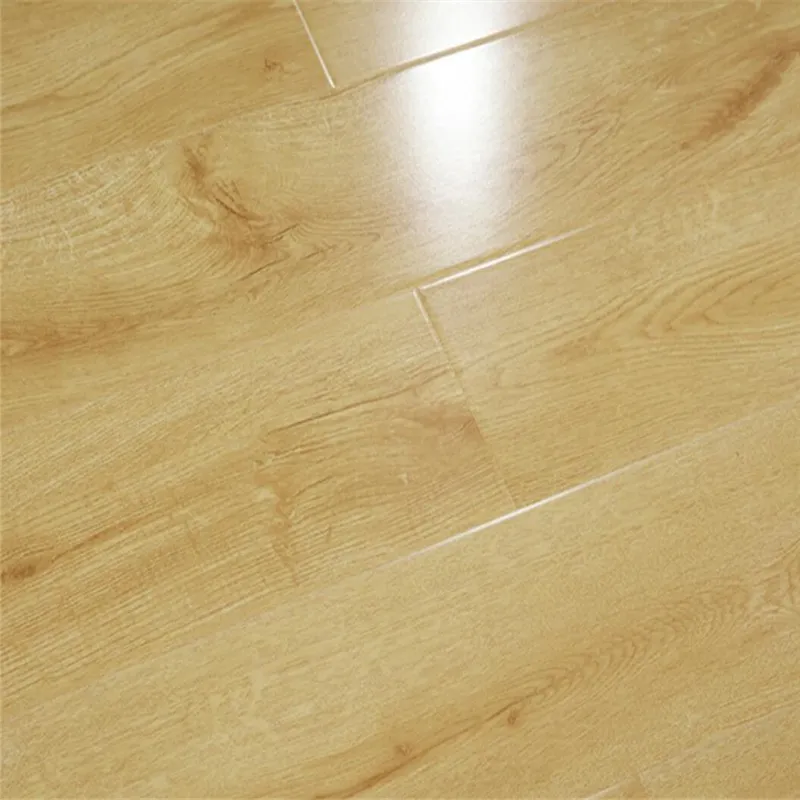
Laminate flooring presents itself as a marvel of modern manufacturing—a multi-layered synthetic product designed to simulate the appearance of wood or stone. Its cost is not a single number but a spectrum, influenced by a hierarchy of features that speak to its durability, aesthetic fidelity, and resilience.
At the most accessible end of this spectrum, you will find entry-level laminate, often ranging from $1.00 to $3.00 per square foot. These products are perfectly functional for low-traffic areas like a guest bedroom. They offer a convincing visual layer, but their core and wear layer may be thinner. Think of this as the basic, reliable sedan of the flooring world; it gets you where you need to go without unnecessary frills.
Ascending to the mid-range, priced from approximately $3.00 to $5.00 per square foot, laminate begins to offer more substantial features. Here, you will find thicker planks (10mm to 12mm), which provide a more solid feel underfoot and improved acoustic properties. The wear layer, measured by an Abrasion Class (AC) rating, is typically an AC3 or AC4, making it suitable for general residential use, including living rooms and hallways. These laminates often feature enhanced visual technologies like Embossed in Register (EIR), where the surface texture perfectly matches the printed wood grain beneath, creating a startlingly realistic effect.
At the premium tier, from $5.00 to $7.00+ per square foot, you encounter the most advanced innovations in the industry. These are the AC5-rated planks, robust enough for light commercial use. The most significant feature at this level is water resistance. Manufacturers have developed core materials and sealing technologies that allow laminate to be warranted against water damage for extended periods, making it a contender for kitchens and bathrooms. These high-quality waterproof laminate flooring options represent a significant leap from the laminates of a decade ago.
Beyond the planks themselves, one must account for the underlayment. This thin layer of foam or felt is not optional; it is essential for moisture protection, sound absorption, and cushioning. A basic underlayment might cost $0.30 per square foot, while a premium version with a built-in vapor barrier and superior acoustic dampening could be closer to $0.75 per square foot. Some laminate planks now come with the underlayment pre-attached, a convenience that is factored into their higher price but simplifies installation.
| Feature Tier | Material Cost (per sq. ft.) | Underlayment Cost (per sq. ft.) | Total Material Cost (per sq. ft.) | Best For |
|---|---|---|---|---|
| Entry-Level | $1.00 – $3.00 | $0.30 – $0.50 | $1.30 – $3.50 | Low-traffic areas, guest rooms, tight budgets |
| Mid-Range | $3.00 – $5.00 | $0.40 – $0.60 | $3.40 – $5.60 | General residential, living rooms, hallways |
| Premium | $5.00 – $7.00+ | $0.50 – $0.75+ | $5.50 – $7.75+ | High-traffic areas, kitchens, bathrooms, commercial |
Unpacking Tile Flooring Prices
Tile, in contrast to laminate, is a product of earth and fire. Its heritage is ancient, and its material diversity is vast. The cost of tile is primarily dictated by its composition and the complexity of its manufacturing process.
The most common and budget-friendly option is ceramic tile, typically costing between $1.00 and $4.00 per square foot for basic varieties. Ceramic is made from a less refined clay and fired at a lower temperature, making it softer and more porous than its counterparts. It is an excellent choice for walls and low-traffic floors, but its susceptibility to chipping and water absorption (if unglazed) limits its use.
Porcelain tile is the undisputed workhorse of the tile world, with prices generally ranging from $3.00 to $8.00 per square foot. Made from a more refined, denser clay and fired at much higher temperatures, porcelain is exceptionally durable and has a very low water absorption rate (less than 0.5%). This makes it suitable for virtually any application, including outdoor use in freeze-thaw climates and high-moisture environments like showers. Its durability is rated on the PEI (Porcelain Enamel Institute) scale, with a PEI 4 or 5 rating indicating suitability for heavy residential or commercial traffic.
Finally, we arrive at natural stone tile, a category that embodies luxury and commands the highest prices, often starting at $5.00 and soaring to $25.00+ per square foot. Each piece of marble, granite, slate, or travertine is unique, a slice of geological history. This uniqueness comes with a cost, not only in price but also in maintenance, as most natural stones are porous and require regular sealing to prevent staining.
Like laminate, tile requires its own set of accessory materials. You cannot simply lay tile on the floor. It must be bonded with thin-set mortar ($0.50 – $1.00 per sq. ft.), the gaps filled with grout ($0.20 – $0.50 per sq. ft.), and in many cases, protected with a sealant ($0.10 – $0.25 per sq. ft.). These are not trivial additions; they are fundamental to the integrity and longevity of the floor.
| Tile Type | Material Cost (per sq. ft.) | Setting Supplies (per sq. ft.) | Total Material Cost (per sq. ft.) | Key Characteristics |
|---|---|---|---|---|
| Ceramic | $1.00 – $4.00 | $0.80 – $1.75 | $1.80 – $5.75 | Good for walls, low-traffic floors; more porous |
| Porcelain | $3.00 – $8.00 | $0.80 – $1.75 | $3.80 – $9.75 | Highly durable, water-resistant; for any application |
| Natural Stone | $5.00 – $25.00+ | $0.80 – $1.75 | $5.80 – $26.75+ | Unique beauty, high-end appeal; requires sealing |
The Initial Verdict on Material Costs
When comparing the two tables, a clear pattern emerges. On a purely material-to-material basis, laminate flooring is almost always the more economical starting point. A high-quality, mid-range laminate setup can be acquired for a total material cost that is comparable to, or even less than, the cost of just the porcelain tile itself, before accounting for its necessary setting supplies. The question, "is it cheaper to do tile or laminate flooring?" finds its first, albeit incomplete, answer here: for the materials alone, laminate holds a distinct advantage. However, this is only the first chapter of the story. The cost of bringing these materials together into a finished floor is an entirely different calculation.
Factor 2: The Financials of Flooring Installation
The transformation of a stack of planks or a pallet of tiles into a beautiful, functional floor involves labor, skill, and time. This installation phase is where the economic paths of tile and laminate diverge most dramatically. The inherent design of each product dictates a fundamentally different installation process, one that has profound implications for the overall project cost. Examining this divergence is critical to answering the broader question of which flooring is ultimately cheaper.
The DIY Case: Laminate's Advantage
Let us consider the perspective of a homeowner with a measure of confidence and a free weekend. For this individual, laminate flooring is an empowering technology. The genius of modern laminate lies in its click-lock system. Each plank is engineered with a precise tongue-and-groove profile that allows it to snap securely into its neighbor without the need for adhesives or nails. It is a floating floor, meaning it is not attached to the subfloor below, which allows it to expand and contract with changes in humidity.
The process is methodical yet straightforward. First, the underlayment is rolled out. Then, starting along the longest wall, the first row of planks is laid, with spacers to maintain an expansion gap at the perimeter. Subsequent planks are angled into the previous row and tapped into place with a rubber mallet and a tapping block. The only specialized tool required is a saw—a miter saw is ideal, but a circular saw or even a handsaw can suffice—to make cuts at the end of rows and around obstacles.
The financial implication is immense. By eliminating the need for a professional installer, the homeowner can save anywhere from $2.00 to $5.00 per square foot in labor costs. For a 300-square-foot living room, this translates to a savings of $600 to $1,500. This is arguably laminate's most compelling economic advantage. It democratizes the process of floor renovation, turning a major construction project into a manageable and rewarding DIY endeavor. The question, "is it cheaper to do tile or laminate flooring?" is answered with a resounding "yes" for the DIY enthusiast.
The Professional Route: Tile's Labor-Intensive Nature
Now, let us turn our attention to tile. The installation of a tile floor is less a construction task and more a craft. It is a multi-day process that demands precision, patience, and a deep understanding of the materials.
The journey begins with subfloor preparation. The subfloor must be impeccably clean, level, and rigid. Any flex in the subfloor can lead to cracked tiles and failed grout lines down the road. This may involve installing a layer of cement backer board, adding significant material cost and labor.
Next comes the layout. A professional will spend considerable time finding the center of the room and snapping chalk lines to ensure the tile pattern is symmetrical and aesthetically pleasing. Then, the thin-set mortar is mixed to a precise consistency—too wet and the tiles will sink, too dry and they will not bond. The mortar is applied to the floor with a notched trowel, creating ridges that collapse to ensure full coverage on the back of the tile.
Each tile is then set into the mortar with a slight twisting motion and pressed firmly into place. Spacers are used to maintain consistent grout lines. This is where the skill of the installer shines. They must work quickly before the mortar skins over, while constantly checking for level and alignment. Cutting tiles to fit around walls, pipes, and doorways requires a wet saw, a powerful tool that uses a diamond-tipped blade and a stream of water to make clean, precise cuts through the dense material.
After the tiles have set for at least 24 hours, the grouting process begins. Grout is forced into the joints with a rubber float, and the excess is carefully wiped away with a sponge. This step is messy and requires a delicate touch to avoid pulling grout out of the joints. After another 48-72 hours of curing, the grout may need to be sealed, a final step to protect it from stains and moisture.
This intricate, physically demanding, and time-consuming process is why professional installation for tile is not just recommended; for a lasting result, it is practically a necessity. The labor costs reflect this complexity, typically ranging from $7.00 to $15.00 per square foot, and can be even higher for complex patterns like herringbone or for difficult-to-work-with natural stone.
Comparing Professional Installation Quotes
When you place the professional installation costs side-by-side, the financial disparity is stark. Let's revisit our 300-square-foot living room example.
- Professional Laminate Installation: 300 sq. ft. @ $3.50/sq. ft. (average) = $1,050
- Professional Tile Installation: 300 sq. ft. @ $11.00/sq. ft. (average) = $3,300
The difference in labor cost alone is over $2,000. This calculation reveals a crucial layer of the tile vs. laminate debate. Even if one were to choose a premium, expensive laminate and a budget-friendly ceramic tile, the total project cost for the tile could easily exceed the laminate due to the chasm in labor expenses. Therefore, when professional installation is part of the equation, the argument that it is cheaper to do tile or laminate flooring leans heavily in favor of laminate. The simplicity of its installation is a powerful economic force that reshapes the entire financial landscape of the project.
Factor 3: Long-Term Value and Return on Investment (ROI)
A floor is not a temporary fixture. It is an integral part of a home's structure and character, an investment expected to perform for years, if not decades. A purely short-term analysis focused on initial material and installation costs is therefore incomplete. To truly determine if it is cheaper to do tile or laminate flooring, we must extend our timeline and consider the concepts of durability, lifespan, and the eventual return on this investment when the property is sold. This long-term perspective introduces complexities that challenge the initial cost advantages of laminate.
Durability and Lifespan: A Tale of Two Materials
The lifespan of a floor is its most fundamental measure of value. Here, the inherent nature of tile and laminate sets them on divergent paths.
Laminate flooring is a product of engineering, and its lifespan is largely determined by the quality of that engineering. An inexpensive, thin laminate with an AC1 or AC2 rating in a high-traffic area might show signs of wear—fading, scratching, and peeling edges—in as little as 5 to 10 years. However, a high-quality, 12mm thick laminate with a robust AC4 or AC5 wear layer can be reasonably expected to last 20 to 25 years in a residential setting. The primary vulnerabilities of traditional laminate have always been deep scratches that penetrate the wear layer and damage from moisture, which can cause the fiberboard core to swell and warp. Modern advancements, however, have produced remarkable waterproof laminates, which use dense, resin-impregnated cores and advanced edge sealing to resist water penetration for hours or even days, significantly mitigating one of its historic weaknesses (Senhong floor, n.d.).
Tile, on the other hand, operates on a different timescale. A properly installed porcelain or ceramic tile floor can easily last 50 years or more. It is a fundamentally more durable material. It does not fade from sunlight. It is impervious to water. Its surface is exceptionally hard and difficult to scratch. Its primary weakness is not wear, but impact. A heavy object dropped from a height can crack a tile. Grout lines, being cementitious, are also a point of failure; they can stain, crumble, or crack over time if not properly maintained. Natural stone, while beautiful, is often softer and more porous, making it more susceptible to scratching and staining than porcelain, but it can still last a lifetime with proper care. In essence, while a laminate floor's life is measured in decades, a tile floor's life can be measured in generations.
Impact on Home Resale Value
The perceived value of flooring among potential homebuyers is a significant component of ROI. This is where psychology and market trends intersect with material science.
Historically, tile has been viewed as a premium, permanent upgrade. The presence of a well-maintained porcelain or natural stone floor in kitchens, bathrooms, and entryways often signals quality and durability to buyers. It is seen as a "finished" part of the house that will not need to be replaced. For this reason, tile floors generally provide a strong return on investment, with some studies suggesting homeowners can recoup 50% to 70% of the installation cost upon resale. The timeless appeal and sheer permanence of tile give it a substantial weight in the minds of many buyers.
Laminate flooring has had a more complex relationship with resale value. In the past, it was often seen as a budget-friendly, temporary solution—a step above carpet but a step below hardwood or tile. However, this perception is shifting. The dramatic improvements in the quality, realism, and water resistance of modern laminate have elevated its status. A high-end waterproof laminate that convincingly mimics wide-plank oak can be a major selling point, especially for young families who value its durability and ease of maintenance. While it may not consistently match the ROI of high-end tile, a quality laminate floor is no longer a detriment to resale. It is now a smart, value-conscious feature that can yield a respectable ROI, often in the range of 40% to 60%.
Repair and Replacement Costs Over Time
Over a multi-decade span, even the most durable floors may require repair. The ease and cost of these repairs contribute to the total cost of ownership.
Repairing a laminate floor can be tricky. Because it is a floating, interlocking system, replacing a single damaged plank in the middle of a room is a complex task. It often involves disassembling the floor from the nearest wall to the point of damage, replacing the plank, and then reassembling it. For small scratches or chips, color-matched putty kits can provide a cosmetic fix, but for significant damage, the repair can be labor-intensive.
Repairing a tile floor is, in some ways, more straightforward. A single cracked tile can be individually replaced. The process involves carefully breaking out the damaged tile, chipping away the old mortar and grout, and then setting and grouting a new tile. The main challenge is finding a replacement tile that matches the original batch, as colors can vary slightly between production runs. The more common long-term maintenance cost for tile is related to the grout. Grout may need to be professionally deep cleaned and re-sealed every few years at a cost of $1.00 to $2.00 per square foot, or in extreme cases, completely removed and replaced.
When we consider the full lifecycle, the initial cost savings of laminate can be eroded if the floor needs to be completely replaced after 20 years, while a tile floor continues to perform. The long-term perspective forces a re-evaluation: is it cheaper to do tile or laminate flooring if one has to be purchased twice in the lifespan of the other? For those planning to stay in a home for the long haul, the higher initial investment in tile can begin to look like a more prudent long-term economic decision.
Factor 4: The Ongoing Cost of Maintenance and Care
A floor's cost does not end once the last tile is set or the final plank is clicked into place. It is a continuous, albeit small, investment of time, effort, and money in the form of maintenance. The daily, weekly, and yearly rituals required to keep a floor looking its best contribute to its total cost of ownership. The philosophies of care for laminate and tile are distinct, and understanding these differences is another vital piece in solving the puzzle of which is truly cheaper over the long run.
The Simplicity of Laminate Upkeep
Laminate flooring was engineered for modern life, and its maintenance routine reflects a desire for simplicity and efficiency. The sealed, non-porous surface of the wear layer is its greatest asset in this regard.
Daily or weekly cleaning is remarkably straightforward. Dust, dirt, and pet hair can be easily removed with a broom, a microfiber dust mop, or a vacuum cleaner (using a hard floor setting without a beater bar, which could scratch the surface). This ease of cleaning makes it a popular choice for busy households and those with allergies, as allergens have nowhere to hide.
For more substantial cleaning, a slightly damp mop is all that is required. The key is to use minimal water. While modern waterproof laminates are highly resistant to moisture, traditional laminates can be damaged if water is allowed to seep into the seams and reach the fiberboard core. It is for this reason that steam mops are universally discouraged for laminate flooring, as the high heat and pressure can force moisture into the joints and potentially damage the adhesive layers. Harsh, abrasive cleaners, oil-based soaps, and wax polishes are also unnecessary and can leave a dulling residue or even damage the protective wear layer. A simple solution of water with a small amount of vinegar or a pH-neutral cleaner specifically designed for laminate is sufficient.
The beauty of laminate maintenance is what it doesn't require. There is no need for periodic waxing, polishing, or sealing. Its finish is permanent. The total lifetime maintenance cost for a laminate floor, beyond basic cleaning supplies, is effectively zero. This lack of required long-term chemical treatments or professional services represents a significant, if often overlooked, cost saving over its lifespan.
The Regimen for Tile Maintenance
Cleaning the surface of a ceramic or porcelain tile is just as simple as cleaning laminate. The glazed, glass-like surface is impervious to stains, water, and dirt. It can be swept, vacuumed, and mopped with a wide variety of cleaning solutions without fear of damage. Tile is one of the most hygienic flooring surfaces available because it is non-porous and inhospitable to bacteria, mold, and mildew.
However, the story of tile maintenance is a story of two components: the tile and the grout. While the tile itself is low-maintenance, the grout lines are its Achilles' heel. Grout is a cement-based, porous material. Left unsealed, it acts like a sponge, absorbing dirt, grime, and spills, leading to discoloration and staining. This is why sealing the grout after installation and periodically thereafter is so important.
The maintenance regimen for a tile floor looks something like this:
- Routine Cleaning: Regular sweeping and mopping to clean the tile surfaces.
- Deep Grout Cleaning: As needed, the grout lines must be scrubbed with a stiff brush and a specialized grout cleaner to remove embedded dirt. This can be a physically demanding task, especially over a large area.
- Periodic Re-sealing: Depending on the type of sealer and the amount of traffic, grout should be re-sealed every one to three years. This involves applying a liquid sealer to the grout lines with a small brush or applicator bottle, a tedious and time-consuming process.
Failure to maintain the grout not only leads to an unsightly floor but can also compromise the integrity of the installation, allowing moisture to seep beneath the tiles. For many homeowners, the effort becomes too much, and they opt for professional grout cleaning and sealing services. This can cost between $1.50 and $3.00 per square foot every few years. Over the 50-year lifespan of a tile floor, these periodic professional services could add up to thousands of dollars.
When pondering if it is cheaper to do tile or laminate flooring, the "cost" of maintenance must be measured in both dollars and effort. Laminate demands very little of either. Tile, while having a durable surface, imposes the long-term burden of grout maintenance—a recurring tax of time and money that must be factored into its total lifetime cost.
Factor 5: Context and Application—Where Cost-Effectiveness Shifts
The debate over the economy of tile versus laminate cannot be settled in a vacuum. The most cost-effective choice is profoundly dependent on the context in which the flooring will be used. A floor is a functional element of a specific environment, and its performance within that environment's unique challenges—moisture, traffic, climate—is paramount. The question, "is it cheaper to do tile or laminate flooring?" is not a universal query but one that must be asked anew for each room of the house, as the answer can shift dramatically with the context.
High-Moisture Areas: Kitchens, Bathrooms, and Basements
For decades, the choice of flooring for moisture-prone environments was simple: tile was the only reliable option. The porous fiberboard core of traditional laminate made it wholly unsuitable for areas subject to splashes, spills, and high humidity. Installing laminate in a bathroom was a recipe for swollen, buckled planks within a year. In this context, tile, despite its higher cost, was the only cost-effective choice because it was the only choice that would not fail.
However, the flooring industry is one of constant innovation. The last decade has seen the rise of two revolutionary products that challenge tile's dominance in wet areas: waterproof laminate and Stone Plastic Composite (SPC) flooring.
Waterproof laminate, as offered by innovative manufacturers, is not the laminate of the past. It utilizes a high-density fiberboard (HDF) core with significantly higher resin content and water-repellent treatments. Combined with advanced locking systems that create a tight seal and waxed edges, these products can withstand topical water for 24, 72, or even more hours (Carsem Floor, n.d.). This makes them a viable and often more affordable alternative to tile in kitchens, half-baths, and even basements. For a kitchen renovation, one could install a premium waterproof laminate for a total cost (materials and labor) of $8-$12 per square foot, whereas a comparable porcelain tile project could easily run $15-$25 per square foot.
SPC flooring represents another branch of this evolution. Though often grouped with vinyl, its construction has parallels to laminate. It features a rigid core made from a composite of natural limestone powder, polyvinyl chloride, and stabilizers (Lexuan Flooring, n.e.). This core is 100% waterproof. Like laminate, it is topped with a realistic print layer and a durable wear layer. SPC offers the water-invincibility of tile with the installation simplicity and affordability of laminate. It has become a go-to choice for basements and full bathrooms.
In the context of 2025, the economic calculation for wet areas has been completely rewritten. The emergence of these waterproof technologies means that laminate and its cousins can now offer a more budget-friendly solution without sacrificing performance, fundamentally altering the answer to which flooring is cheaper for these critical spaces.
High-Traffic Commercial and Living Spaces
Durability underfoot is the primary concern for areas that see constant traffic, such as a family living room, a hallway, or a retail space. The choice here is a trade-off between the wear resistance of laminate and the structural fortitude of tile.
The durability of laminate is measured by its AC rating. For a busy household, an AC3 or AC4 rated laminate is essential. For a light commercial setting like a small boutique or office, an AC5 rating is recommended. This top wear layer is incredibly tough and resistant to the scuffs, scrapes, and fading from daily life. A high-quality AC4 laminate can often be installed for a total cost that is significantly less than a commercial-grade porcelain tile (rated PEI 4 or 5). For a business owner on a budget, laminate can provide a stylish and durable surface for a fraction of the cost of tile, making it the more cost-effective choice in that commercial context. One can delve deeper into the specifics of these layers by reading an expert guide on laminate flooring layers.
Tile's advantage in high-traffic areas is its through-body construction (in the case of unglazed porcelain). Even if the surface were to chip, the color underneath is the same, making the damage less noticeable. Its overall hardness is superior. However, the grout lines remain a weak point in a commercial setting, where they can become dirty and degraded quickly without a rigorous maintenance schedule. The cost of this intensive maintenance in a commercial space can be substantial. Thus, for many high-traffic applications, the balance of initial cost, wear resistance, and maintenance simplicity often tips in favor of high-AC-rated laminate.
Comfort and Climate Considerations
Finally, we must consider the human element—the tactile and thermal experience of the floor. These "hidden" costs can influence the overall economic picture, especially in certain climates.
Tile is a superb thermal conductor. This means it feels cold to the touch. In a warm climate like Southeast Asia or the southern United States, this can be a welcome feature, passively helping to cool the home and potentially reducing air conditioning costs. However, in a cold climate like Russia or Northern Europe, a tile floor can be uncomfortably cold in winter. To counteract this, many homeowners opt to install radiant floor heating beneath the tile. While effective, this is a major additional expense, adding $10-$20 per square foot to the total project cost. In this context, the "cheaper" tile floor suddenly becomes prohibitively expensive.
Laminate, with its wood-based core and typical installation over a foam underlayment, is a much better thermal insulator. It feels warmer and softer underfoot. This inherent comfort eliminates the need for expensive radiant heating systems in most cases, though it is compatible with them if desired. This thermal property makes it a more inherently economical choice for colder regions. The question, "is it cheaper to do tile or laminate flooring?" in a cold climate must account for the potential thousand-dollar cost of making the tile floor comfortably livable. This contextual factor demonstrates, once again, that a simple price comparison is never enough.
Frequently Asked Questions
Which is easier to install, tile or laminate?
Laminate flooring is significantly easier to install. It uses a click-lock system that allows planks to be snapped together without adhesive, making it a popular DIY project. Tile installation is a complex, multi-day process involving mortar, precise placement, grouting, and sealing, and it typically requires professional labor and specialized tools like a wet saw.
Can I use laminate flooring in a bathroom?
Historically, the answer was no. However, modern advancements have led to the creation of waterproof laminate flooring. These products feature water-repellent cores and tight-locking joints that can withstand topical moisture for extended periods, making them a viable option for bathrooms and kitchens. Always check the manufacturer's warranty to ensure the product is approved for full bathroom installation.
What will add more value to my home, tile or laminate?
Generally, tile flooring, particularly high-quality porcelain or natural stone, adds more resale value to a home. It is perceived by buyers as a durable, premium, and permanent upgrade. However, the gap is closing. High-end laminate that realistically mimics hardwood is now seen as a valuable, practical feature that also offers a strong return on investment.
How do I clean and maintain tile grout?
Grout is porous and requires more maintenance than the tile itself. For routine cleaning, a pH-neutral cleaner is sufficient. For deep cleaning, use a specialized grout cleaner and a stiff brush. To prevent future staining, it is crucial to seal the grout after installation and re-seal it every 1-3 years, depending on traffic and the type of sealer used.
Is tile more durable than laminate flooring?
It depends on the type of durability. Tile is harder and more resistant to scratching and is completely waterproof, giving it a much longer potential lifespan (50+ years). Its weakness is its brittleness; a heavy impact can cause it to crack. Laminate's wear layer is highly resistant to scratches and scuffs from daily traffic, but the floor's overall lifespan is shorter (15-25 years), and it can be susceptible to damage from deep gouges or, in non-waterproof versions, moisture.
What is the difference between waterproof laminate and vinyl (LVP/SPC)?
While both are excellent waterproof options, their core composition differs. Waterproof laminate uses a high-density fiberboard (HDF) core treated with water-repellent resins. Luxury Vinyl Plank (LVP) and Stone Plastic Composite (SPC) flooring have cores made of synthetic materials (PVC and limestone powder), making them inherently impervious to water from top to bottom. Laminate often feels thicker and more substantial underfoot, while SPC is known for its extreme density and durability.
Making the Final Calculation for Your Floor
The journey to answer the question, "is it cheaper to do tile or laminate flooring?" reveals that there is no single, universal truth. The most economical choice is not a fixed identity but a conclusion drawn from a personal calculation of budget, time, labor, and long-term ambition.
Laminate flooring unequivocally wins on the fronts of initial cost and ease of installation. For the budget-conscious renovator or the dedicated DIYer, it presents an opportunity to achieve a dramatic visual transformation for a fraction of the cost and complexity of a tile project. Its low-maintenance nature further burnishes its appeal as a practical, efficient solution for modern living.
Tile, in contrast, makes its case on the basis of permanence. It is an investment in the truest sense of the word. The higher upfront cost for materials and professional labor buys a level of durability and longevity that laminate cannot match. A tile floor can serve a home for generations, potentially offering a superior return on investment and the peace of mind that comes with a virtually indestructible surface.
Your decision, therefore, rests on your priorities. If the primary goal is an immediate, affordable upgrade with the option for self-installation, laminate is the logical and financially prudent path. If the vision is for a forever home, where upfront costs are amortized over a lifetime of use and contribution to property value is paramount, the higher initial investment in tile may prove to be the wiser long-term economic strategy. The best choice is the one that aligns with the specific narrative of your space and your financial future.
References
- Carsem Floor. (n.d.). Waterproof laminate flooring. Retrieved from
- CFL Flooring. (n.d.). About us. LinkedIn. Retrieved from https://cn.linkedin.com/company/cfl-flooring
- Hanflor. (n.d.). Vinyl flooring VS laminate flooring. Retrieved from https://www.hanflor.com/n1854587/Vinyl-flooring-VS-laminate-flooring.htm
- Lexuan Flooring. (n.d.). What is SPC Rigid Core Flooring? Retrieved from https://www.lxflooring.com/new_detail/What-is-SPC-Rigid-Core-Flooring.html
- Senhong Floor. (n.d.). Waterproof laminate flooring. Retrieved from
- Sumec Flooring. (n.d.). Hot sale Sumec SPC plank. Retrieved from
- BBL Flooring. (n.d.). Water-Resistant Laminate. Retrieved from
- The National Association of Realtors. (2022). 2022 Remodeling impact report.
- ASTM International. (2021). Standard specification for laminate flooring (ASTM F3435-21).
- Tile Council of North America. (2023). TCNA handbook for ceramic, glass, and stone tile installation.