 +86 17753100577
 manager@beflooring.com





Why Do SPC Flooring Joints Separate? The Click Lock Is Not Always the Problem
noviembre 7, 2026
A gap of only a few millimeters can become a serious complaint when the flooring has already been installed across an entire apartment or commercial project.
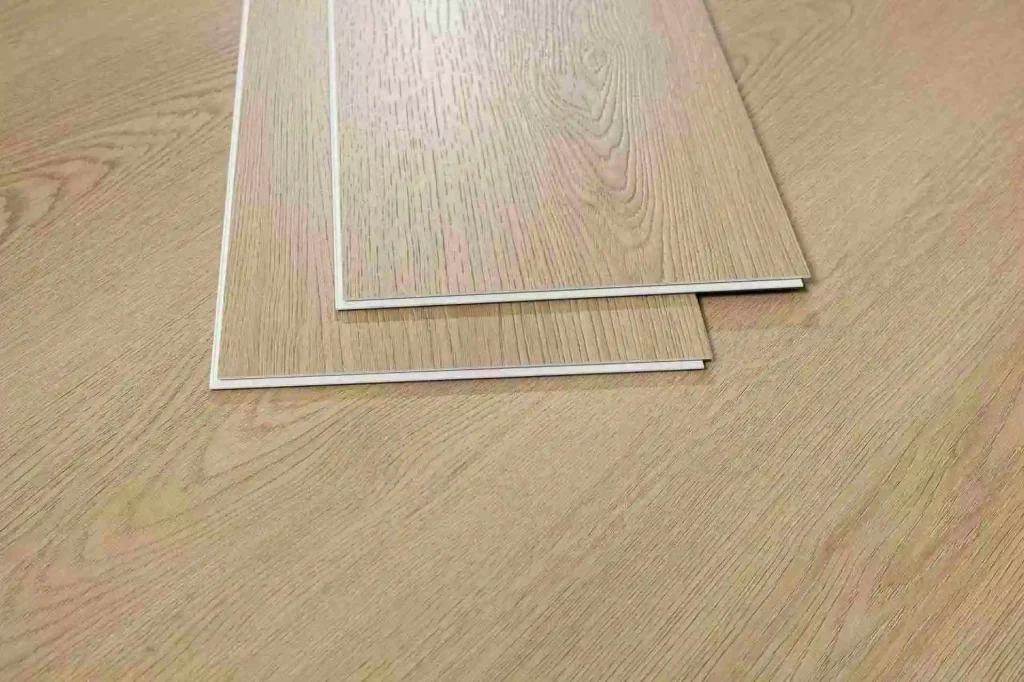
The distributor receives photographs: two planks have separated, a corner is chipped, or a short-end joint no longer sits flush.
The immediate conclusion is often that the SPC flooring click lock system has failed.
Sometimes that conclusion is correct. But an open joint does not identify its own cause.
The locking profile, rigid core, subfloor and installation conditions all influence how a floating SPC floor performs. Understanding their relationship is particularly important for importers who need to investigate complaints from customers thousands of kilometers away.
Start with where the problem appeared
Suppose a contractor reports that several SPC flooring joints opened three weeks after installation.
Before making a judgment, ask where the gaps are located.
Are they concentrated near a doorway? Do they appear along one wall? Are they found throughout several rooms? Do unused planks from the same batch show any difficulty joining together?
These details help narrow the investigation.
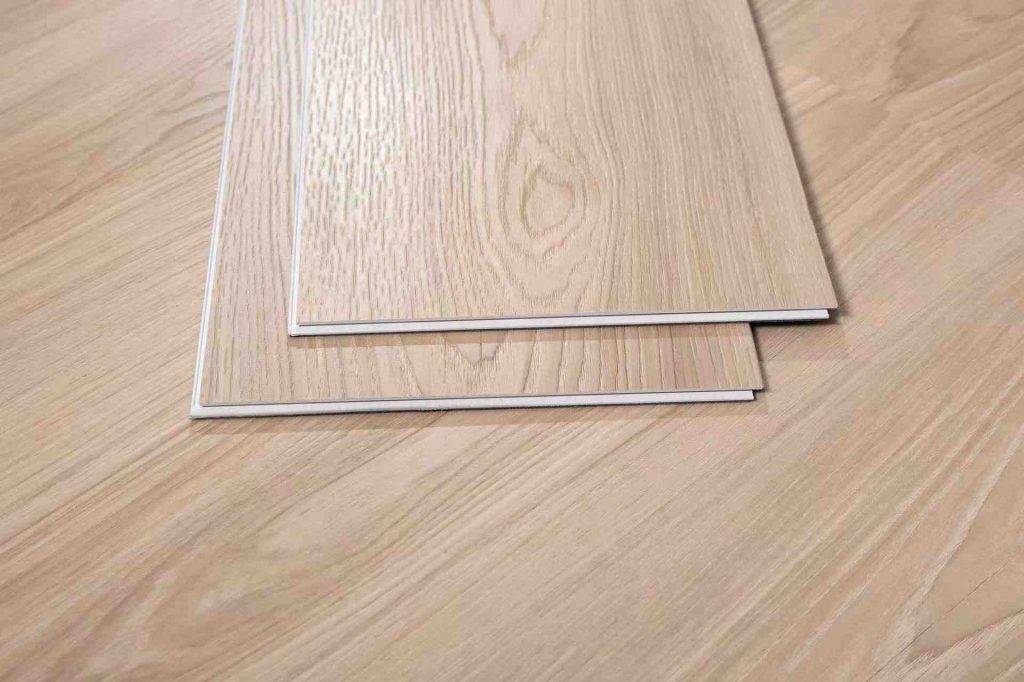
A repeated connection problem across different cartons may point toward dimensional or manufacturing issues. Gaps concentrated around an uneven subfloor or a restricted floating area may suggest installation-related causes.
Neither possibility should be dismissed before examining the evidence.
For wholesalers, learning to ask these questions can prevent an ordinary technical complaint from becoming a disagreement between the installer, distributor and factory.
The SPC core is part of the locking system
A click-lock joint is not a separate component attached to the plank. It is machined into the edges of the rigid core.
That makes core formulation important.
SPC flooring generally uses PVC, mineral fillers and additives. Its composition needs to provide rigidity and dimensional stability while maintaining sufficient mechanical strength.
If the material is excessively brittle, the thinner sections of a locking profile may be vulnerable to damage during installation.
But core formulation is only part of the picture. Profile geometry and machining accuracy also affect joint performance.
This explains why two products advertised as 4mm SPC flooring can behave differently, even when their appearance and overall thickness seem identical.
It also explains why 5mm SPC flooring is not automatically superior to every 4mm product.
More thickness may provide additional room for designing the profile, but it cannot compensate for poor manufacturing accuracy.
Small cutting differences can create large installation difficulties
Locking profiles rely on accurate dimensions.
When a profile is slightly out of tolerance, an installer may have difficulty connecting the boards or may notice a visible gap at the short end.
Sometimes the problem is difficult to see on an individual plank.
It becomes more apparent after several rows are installed and connection differences accumulate.
For that reason, checking one small sample is not enough.
A meaningful sample inspection should include several full-size planks assembled using the manufacturer’s recommended method.
Both long-side and short-side joints should be checked.
If a board requires unusual force to engage, the installer should verify alignment and installation technique rather than simply striking it harder.
Consistent machining and dimensional inspection during production are essential to maintaining reliable joint fit across a commercial order.
Why subfloor preparation matters more than many buyers expect
Rigid SPC flooring does not eliminate the need for a properly prepared subfloor.
Where the substrate has excessive high and low areas, some sections of a plank may lack adequate support.
Walking across those areas can create localized movement.
Over time, repeated movement may place additional stress on mechanical joints.
A flooring complaint that appears to involve a weak click lock may therefore require examination of the supporting surface.
Installers should check the flatness tolerances stated in the product’s installation instructions.
It is also important to examine perimeter expansion space and any fixtures that may prevent the floating floor from moving as intended.
These details cannot be assessed from a close-up photograph of an open joint alone.
Can IXPE backing affect joint performance?
SPC flooring with attached IXPE is widely used in residential and commercial distribution.
Properly specified backing can offer acoustic and comfort benefits.
The potential problem is not IXPE itself. It is whether the underlay construction is compatible with the flooring system.
Excessive compression may permit additional plank movement under load.
This becomes especially relevant when installers add a separate foam underlay beneath SPC flooring that already includes attached backing.
Two layers of cushioning are not automatically better than one.
Unless the manufacturer approves the additional underlay, the installation may place unwanted stress on the locking connections.
Importers should obtain clear instructions about permitted underlay materials and conditions.
A practical way to evaluate SPC locking samples
When requesting samples from an SPC flooring manufacturer in China, ask for enough full-size boards to assemble a representative section.
Inspect the edges before installation.
Check for chipped corners, inconsistent cutting or visible damage from transport.
Then connect the planks according to the supplied installation instructions.
Observe whether the joints close cleanly and remain flush. Pay attention to any unusual resistance during assembly.
A simple installation trial can reveal obvious problems, but it is not a substitute for controlled joint-strength testing.
For substantial orders, request appropriate technical documentation and agree on inspection requirements before manufacturing begins.
Keep an approved reference sample for later comparison with the commercial shipment.
Investigating a complaint from an overseas customer
When a distributor reports broken SPC flooring joints, collecting reliable information is more useful than assigning responsibility immediately.
Request the product batch number and photographs showing both the affected joints and the overall installation area.
Ask about the substrate, underlay, installation method and site conditions.
If unopened boards from the same batch are available, retain several for inspection.
A comparison between unused and installed material may help determine whether further manufacturing or installation investigation is needed.
This process is especially valuable when the customer is located overseas and the factory cannot inspect the site directly.
A photograph of one damaged corner rarely provides enough evidence to establish the full cause.
What importers should confirm before placing an order
Before approving an SPC flooring supplier, ask about the complete construction rather than only the selling price.
The quotation should identify the core thickness, wear layer, locking system and attached backing.
The supplier should also provide appropriate installation instructions and available testing information.
For importers supplying professional flooring contractors, consistency between batches matters as much as the performance of the original sample.
A plank that connects smoothly during one demonstration is encouraging. Maintaining that fit through thousands of square meters is the real manufacturing challenge.
Good locking performance may not be the first feature a customer notices in a showroom, but it becomes one of the most important features on installation day.
Comparing SPC flooring for your next shipment?
For distributors sourcing 4mm, 5mm or 6mm SPC flooring with optional IXPE backing, full-size samples and complete technical specifications are worth reviewing before choosing a product.
Our SPC range includes different constructions and wear layer options for wholesale and OEM orders. You can request available configurations and sample information for your target market.
For a broader discussion of core behavior, see our related article on SPC flooring deformation and dimensional stability.