 +86 17753100577
 manager@beflooring.com




An Expert Answer for 2026: Is Laminate Flooring Safe for Health? — 5 Key Certifications to Check
January 5, 2026
Abstract
An evaluation of laminate flooring's impact on human health reveals a complex interplay between material composition, manufacturing processes, and regulatory standards. The primary health concern historically associated with this product category is the emission of volatile organic compounds (VOCs), particularly formaldehyde, a chemical used in the resins that bind the wood-composite core. This analysis examines the potential health risks linked to formaldehyde exposure, such as respiratory irritation and long-term carcinogenic concerns. It charts the evolution of industry and governmental responses, from early controversies to the establishment of stringent global regulations in 2026. The paper details the key safety certifications—including CARB 2/TSCA Title VI, FloorScore, GREENGUARD Gold, Blue Angel, and the E1/E0 standards—that now serve as reliable benchmarks for consumers. By understanding the science behind these emissions and the verification systems in place, it is demonstrated that modern, certified laminate flooring can be considered a safe material for residential and commercial interiors, provided consumers make informed purchasing decisions based on these established health and safety protocols.
Key Takeaways
- The main health risk is formaldehyde from resins in the core layer.
- Modern regulations like CARB 2 and TSCA Title VI drastically limit emissions.
- Look for third-party certifications like FloorScore or GREENGUARD Gold for assurance.
- Proper ventilation after installation helps dissipate any residual VOCs quickly.
- Asking about safety certifications is key to knowing if laminate flooring is safe for health.
- Low-VOC underlayment and adhesives are also vital for a healthy indoor environment.
- Reputable manufacturers prioritize and advertise compliance with health standards.
Table of Contents
- Understanding Laminate Flooring: A Compositional Breakdown
- The Primary Health Concern: Formaldehyde and VOCs Explained
- Navigating the Regulatory Landscape: Your First Line of Defense
- Certification 1: CARB 2 / TSCA Title VI — The American Gold Standard
- Certification 2: FloorScore® — Focusing on Indoor Air Quality
- Certification 3: GREENGUARD & GREENGUARD Gold — A Holistic Health Seal
- Certification 4: Blue Angel (Der Blaue Engel) — Germany's Eco-Label
- Certification 5: E1/E0 — Understanding European Emission Classes
- Beyond Chemicals: Other Health Considerations with Laminate Flooring
- Making an Informed Choice: A Practical Guide for Consumers in 2026
- FAQ
- A Final Thought on Creating Healthy Spaces
- References
Understanding Laminate Flooring: A Compositional Breakdown
When we consider bringing a new material into our homes, our thoughts often turn to aesthetics, durability, and cost. Yet, a deeper, more fundamental question resides just beneath the surface: what is this object truly made of, and how might its composition interact with the environment of my home and the health of my family? To properly address the query, "is laminate flooring safe for health?", we must first become students of its construction. We must peel back its layers, much like a geologist examines strata of rock, to understand its essence.
Laminate flooring is not a single, homogenous substance. It is a composite, a multi-layered synthetic product designed to simulate the appearance of wood or stone. Its ingenuity lies in its layered construction, where each stratum performs a specific function.
The Four Layers of Modern Laminate
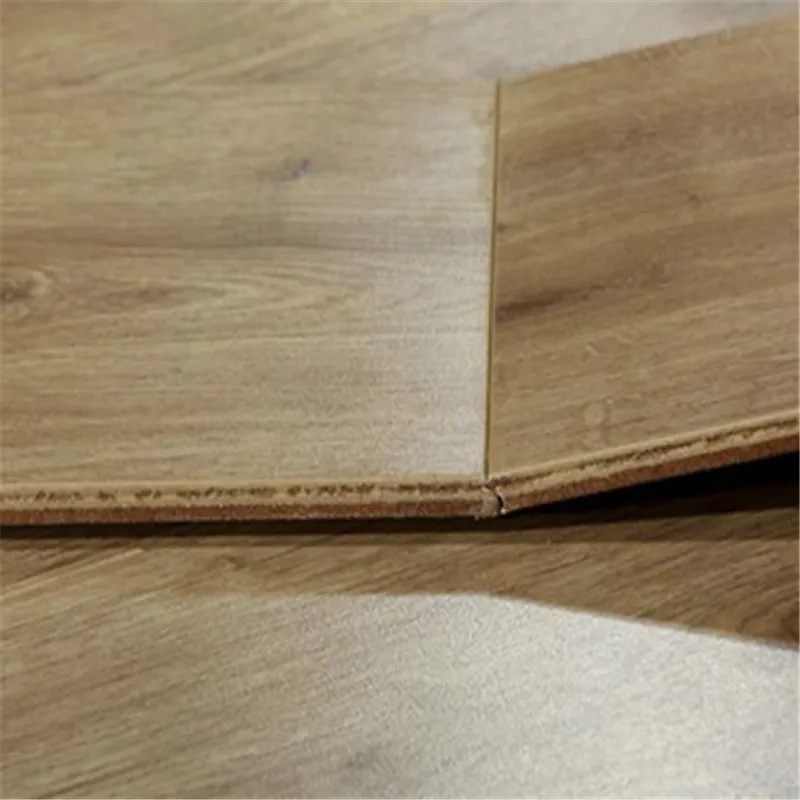
Let us visualize a cross-section of a typical laminate plank. You would observe four distinct layers fused together through a process of lamination, which involves immense pressure and heat.
-
The Wear Layer: This is the uppermost, transparent coating. Its purpose is protection. It is a hardened, durable finish, often containing aluminum oxide, which provides resistance against scratches, stains, and fading from UV light. The integrity of your floor's appearance over years of foot traffic, spills, and sunlight depends almost entirely on this invisible shield.
-
The Design Layer: Directly beneath the wear layer lies the aesthetic heart of the product. This layer is, in essence, a high-resolution photograph of wood, stone, or another natural material. The realism and visual appeal of the laminate plank are born here. Advances in printing technology have allowed this layer to become incredibly sophisticated, capturing the subtle grain patterns, knots, and color variations of authentic hardwood.
-
The Core Layer: This is the thickest and most structurally significant part of the plank. It provides the plank's stability, substance, and impact resistance. This core is almost never made of solid wood. Instead, it is typically a wood-composite product, most commonly High-Density Fiberboard (HDF) or, in some older or less expensive products, Medium-Density Fiberboard (MDF). It is this core layer that lies at the center of most health-related discussions.
-
The Backing Layer: The final, bottom layer serves as a stabilizing foundation. It is designed to resist moisture from the subfloor and to prevent the plank from warping or bowing. It provides a crucial structural balance to the entire composite plank.
The Core of the Matter: HDF/MDF and Binding Agents
To understand the health question, we must focus our inquiry on the core. What is HDF? Imagine taking wood chips and fibers—the byproducts of other lumber processes—and breaking them down. These fibers are then mixed with a resin, a type of glue, and fused together under intense heat and pressure to form a dense, stable board.
The critical component in this process is the resin. Historically, the most effective and economical resins used for this purpose have been urea-formaldehyde based. Formaldehyde is an organic compound that acts as an exceptional adhesive, creating the strong, durable bonds that give HDF its structural integrity. Without such a binder, the wood fibers would simply be a loose pile. It is the presence of formaldehyde-based resins in this core that has been the source of health concerns for decades.
Why the Composition Raises Health Questions
The issue is not the presence of formaldehyde itself—it is a naturally occurring substance found in everything from apples to the air we breathe. The concern is with excess formaldehyde and its potential to "off-gas" from the finished product into the indoor air of our homes. Off-gassing is the process where volatile organic compounds (VOCs), which were used in the manufacturing of a product, are slowly released as a gas into the surrounding environment.
When a laminate plank containing urea-formaldehyde resins is placed in a room, small amounts of formaldehyde gas can be released over time. In poorly manufactured or unregulated products, these emission levels could be high enough to affect indoor air quality and, consequently, human health. This is the nexus of the problem. The very chemical that gives the floor its strength and affordability could, if not properly controlled, compromise the health of the indoor space it is meant to beautify. This has led to a global push for safer alternatives and stringent regulations, which we will explore in detail.
The Primary Health Concern: Formaldehyde and VOCs Explained
Having established that the core of laminate flooring is the locus of our health inquiry, we must now delve into the nature of the chemical compounds themselves. To speak of "chemicals" can often evoke a sense of vague apprehension. A more precise, scientific understanding is required to move from fear to informed caution. The two terms that are central to this discussion are Formaldehyde and Volatile Organic Compounds (VOCs).
What is Formaldehyde and Why is it Used?
Formaldehyde is a simple, colorless, and strong-smelling chemical compound. As mentioned, it is a naturally occurring substance, but it is also manufactured on a vast scale for industrial use. In the context of building materials, its primary role is as a component in powerful adhesives and binding resins. Urea-formaldehyde (UF) and phenol-formaldehyde (PF) resins are used to produce composite wood products like particleboard, MDF, and HDF—the very core of laminate flooring.
Think of it like baking a cake. You have flour, sugar, and eggs. But you need a liquid—milk or water—to bind those ingredients together into a coherent batter. In the manufacturing of HDF, the wood fibers are the dry ingredients, and the formaldehyde-based resin is the binding agent. It is exceptionally good at its job, creating a strong, stable, and inexpensive board. This is why it became so ubiquitous in the furniture and construction industries. The challenge, as we have seen, is that not all of the formaldehyde "bakes off" during the manufacturing process. Unreacted formaldehyde can remain trapped within the board and slowly release into the air over the product's lifespan.
Demystifying Volatile Organic Compounds (VOCs)
Formaldehyde is just one member of a very large family of chemicals known as Volatile Organic Compounds (VOCs). The term "volatile" does not mean explosive or dangerous in the common sense; in chemistry, it means that a substance evaporates or turns into a gas easily at room temperature. "Organic" simply means the compound is carbon-based.
So, VOCs are carbon-based chemicals that easily become gases. You are familiar with many VOCs, perhaps without realizing it. The scent of a pine forest, the smell of fresh paint, the aroma of gasoline, and that "new car smell" are all caused by VOCs being released into the air. Thousands of products emit VOCs, including:
- Paints and lacquers
- Cleaning supplies
- Pesticides
- Building materials and furnishings
- Office equipment such as copiers and printers
- Adhesives and glues
Because they are so common and we now build our homes to be more airtight for energy efficiency, the concentration of VOCs in indoor air can be significantly higher than in outdoor air. Since people spend the vast majority of their time indoors, as noted by major flooring manufacturers like , the quality of our indoor air is a paramount health consideration.
Potential Health Effects of Long-Term Exposure
The health effects of VOCs can vary greatly depending on the specific chemical, the concentration level, and the duration of exposure. According to health agencies like the U.S. Environmental Protection Agency (EPA), potential effects can range from short-term to long-term.
Short-Term (Acute) Effects:
- Eye, nose, and throat irritation
- Headaches
- Nausea or vomiting
- Dizziness
- Worsening of asthma symptoms
These symptoms are often non-specific and can be mistaken for a cold or allergies. They typically resolve when the person leaves the area with high VOC concentration.
Long-Term (Chronic) Effects:
Prolonged exposure to high levels of certain VOCs, including formaldehyde, is more concerning. Formaldehyde is classified as a known human carcinogen by the International Agency for Research on Cancer (IARC). Chronic exposure has been linked to an increased risk of certain rare cancers, such as nasopharyngeal cancer. It is also associated with respiratory problems and can trigger allergic reactions in sensitive individuals.
It is crucial to contextualize this risk. The danger comes from high concentrations over long periods. The entire purpose of modern regulations and certifications is to ensure that the emission levels from products like laminate flooring are so low that they do not pose a significant risk to human health, even over a lifetime of exposure.
A Historical Perspective: The Lumber Liquidators Case and Its Aftermath
The public consciousness around this issue was sharply focused in the mid-2010s due to a major controversy involving the U.S. retailer Lumber Liquidators. Investigative reports alleged that some of the company's laminate flooring, sourced from China, contained levels of formaldehyde that far exceeded the legal limits set by the California Air Resources Board (CARB).
This case had a profound impact. It eroded consumer trust and served as a powerful catalyst for regulatory action. It demonstrated that simply trusting a brand name was not enough; verification and strict enforcement were necessary. The scandal accelerated the adoption of California's strict standards at the federal level in the United States and pushed manufacturers globally to clean up their supply chains. It underscored the absolute necessity of the certifications we will discuss next. In many ways, the safe laminate flooring market we have in 2026 was forged in the crucible of that public health scare. It forced the industry to prioritize health and transparency over cost-cutting, a shift that ultimately benefits every consumer.
Navigating the Regulatory Landscape: Your First Line of Defense
The history of formaldehyde in composite wood products illustrates a classic pattern of industrial progress: a useful innovation is widely adopted, its potential downsides are later discovered, and a period of public concern leads to the development of regulations to mitigate the harm. For the consumer in 2026, these regulations are your most powerful tool. Understanding them transforms you from a passive buyer into an informed advocate for your own family's health.
The Global Shift Towards Stricter Standards
The Lumber Liquidators scandal was a wake-up call, but the movement towards safer products had been building for years. Scientists, public health advocates, and environmentally conscious consumers had been raising alarms about indoor air quality for some time. California, often a leader in environmental regulation in the U.S., was at the forefront with its Air Resources Board (CARB).
Simultaneously, European nations, particularly Germany with its long-standing environmental consciousness, were developing their own rigorous standards. This created a global patchwork of regulations. Manufacturers who wished to sell their products in these lucrative markets had to adapt. A company producing laminate in China, for example, would need to ensure its products met CARB standards to be sold in California, and E1 standards to be sold in the European Union. This market pressure has been a primary driver of change. It has become more efficient for large-scale manufacturers, like those listed on sites like or , to produce all of their flooring to meet the strictest standard, rather than having different production lines for different regions.
Key Regulations in the USA: CARB 2 and EPA TSCA Title VI
For anyone buying laminate flooring in the United States, two acronyms are of paramount importance: CARB 2 and TSCA Title VI.
CARB Phase 2 (CARB 2): This regulation originated with the California Air Resources Board. It set stringent, legally enforceable limits on formaldehyde emissions from composite wood products sold or used in California. The standard is known as the Airborne Toxic Control Measure (ATCM), and Phase 2 (implemented in 2012) set the very low emission caps that are the basis of today's market.
EPA TSCA Title VI: The success and effectiveness of the CARB 2 program led the U.S. Environmental Protection Agency (EPA) to use it as a model for a national standard. In 2016, the EPA finalized the Formaldehyde Emission Standards for Composite Wood Products Act, which is Title VI of the Toxic Substances Control Act (TSCA). This rule essentially took the CARB 2 limits and made them the law of the land across the entire United States. It requires that all composite wood products—both domestically produced and imported—meet these strict formaldehyde emission limits. It also established a system for third-party certification to ensure compliance.
European Standards: The E1 and E0 Classifications
In Europe, the system is slightly different. The primary standard for formaldehyde emissions is known as E1. This standard is widely accepted across the European Union. It permits a slightly higher level of formaldehyde emission than the American CARB 2 standard, but it is still considered a safe level for indoor use. Most reputable laminate flooring sold in Europe will, at a minimum, be certified as E1 compliant.
There is also an E0 classification. It is important to understand that E0 is not an official, legally binding standard in the same way E1 is. Rather, it is an unofficial term used by the industry to denote products with even lower, virtually non-existent formaldehyde emissions. A product labeled E0 signifies a manufacturer's commitment to going above and beyond the legal requirement.
Let's compare these key standards directly.
| Feature | CARB 2 / TSCA Title VI (USA) | E1 (Europe) |
|---|---|---|
| Regulating Body | U.S. EPA / California Air Resources Board | European Committee for Standardization (CEN) |
| Emission Limit (HDF) | ≤ 0.11 parts per million (ppm) | ≤ 0.124 milligrams per cubic meter (~0.1 ppm) |
| Testing Method | ASTM E1333 (Large Chamber) | EN 717-1 (Chamber Method) |
| Enforcement | Legally mandatory for all products in the USA | Legally mandatory for products in the EU |
| Verification | Requires third-party certification (TPC) | Requires manufacturer declaration & testing |
As you can see from the table, while the testing methods differ slightly, the acceptable emission levels under the primary American and European standards are now very closely aligned. This convergence is good news for consumers worldwide. It means that the baseline for what is considered "safe" is becoming more universal, making it easier to identify products that protect indoor air quality, regardless of where they were made or where you are buying them.
Certification 1: CARB 2 / TSCA Title VI — The American Gold Standard
When you stand in a flooring store, surrounded by a sea of options, the labels and acronyms can feel overwhelming. But if you are in the United States, the first and most important certification to look for is compliance with TSCA Title VI. This is not merely a suggestion or a "nice-to-have" feature; it is the law. It serves as your baseline assurance of safety.
What Does CARB 2 Compliance Mean?
Let's break down what this compliance signifies in practical terms. When a laminate flooring product is labeled as "CARB 2 Compliant" or "TSCA Title VI Compliant" (the terms are often used interchangeably, as TSCA Title VI adopted the CARB 2 standards), it means the product has been tested by a qualified, independent third-party certifier and has been found to emit formaldehyde at or below the legal limit.
For the high-density fiberboard (HDF) that makes up the core of most laminate flooring, that limit is 0.11 parts per million (ppm). To give that number some perspective, it is an extremely low level. It is a standard designed to be protective of public health, including sensitive populations like children and the elderly, over a lifetime of exposure. A product that meets this standard is not "formaldehyde-free"—no composite wood product truly is—but it is a "no-added formaldehyde" or "ultra-low emitting formaldehyde" product. The emissions are so low as to be considered insignificant from a health risk perspective.
How TSCA Title VI Federalized the Standard
The significance of TSCA Title VI cannot be overstated. Before it was enacted, the strict CARB 2 standard only applied within California. A manufacturer could, in theory, sell a high-emitting, non-compliant product in any other state. This created a confusing and uneven marketplace for consumers.
TSCA Title VI closed this loophole. By making the CARB 2 emission standards a federal law, the EPA ensured that every single composite wood product sold anywhere in the U.S., whether it was made in North Carolina or imported from Southeast Asia, had to meet the same stringent health-protective benchmark. This act leveled the playing field and provided a uniform layer of protection for all American consumers. It mandated a chain of custody and record-keeping, forcing manufacturers, importers, distributors, and retailers all to be accountable for the compliance of their products.
How to Verify a Product is Genuinely Certified
In the wake of past scandals, simply seeing a label is not always enough. A savvy consumer should know how to perform a basic check for authenticity. Here is what to look for:
-
The Product Label: The product itself, or its packaging, must be clearly labeled by the manufacturer as being TSCA Title VI compliant. The label should indicate the manufacturer's name, the product lot number, and a statement that the product complies with the regulation.
-
The Third-Party Certifier (TPC): The regulation requires that testing be done by an EPA-recognized Third-Party Certifier. The manufacturer's technical data sheet or website should identify which TPC they use. You can cross-reference this TPC on the EPA's official list of recognized certifiers.
-
Ask the Retailer: Do not be shy. Ask the salesperson or store manager directly for the product's compliance documentation. A reputable retailer dealing in compliant products should have this information readily available and should be happy to provide it. If they are evasive or cannot produce the information, that is a significant red flag.
Compliance with CARB 2 / TSCA Title VI is the absolute minimum you should accept. It is the government-mandated safety net. Any product that does not meet this standard is not only potentially unsafe, it is being sold illegally in the United States. Fortunately, the vast majority of products on the market today, including from major brands like those found at , proudly advertise their compliance. Think of this certification as the price of entry for any laminate flooring you are considering for your home.
Certification 2: FloorScore® — Focusing on Indoor Air Quality
While TSCA Title VI provides a critical backstop for formaldehyde, our indoor air is a complex soup of many different chemicals. If you desire an even higher level of assurance about the overall health of your indoor environment, you will want to look for products that go beyond this single-chemical regulation. This brings us to voluntary, third-party certifications, and one of the most respected in the flooring industry is FloorScore®.
Beyond Formaldehyde: A Broader Look at VOCs
FloorScore is a certification program that was developed by the Resilient Floor Covering Institute (RFCI) in conjunction with a leading scientific certification body, SCS Global Services. Its primary focus is on indoor air quality (IAQ). Unlike TSCA Title VI, which is solely concerned with formaldehyde emissions from the composite wood core, FloorScore takes a much broader view.
The FloorScore program tests flooring products for a wide range of volatile organic compounds (VOCs), not just formaldehyde. It adheres to the stringent VOC emission criteria of the California Department of Public Health's "Standard Method for the Testing and Evaluation of Volatile Organic Chemical Emissions from Indoor Sources Using Environmental Chambers," commonly known as CA Section 01350. This is one of the most rigorous indoor air quality standards in the world.
A product that is FloorScore certified has been independently tested and verified to meet these low-VOC emission limits. It means the flooring itself—including all its layers, coatings, and inks—will not significantly contribute to poor indoor air quality.
The Rigorous Testing Process of FloorScore
Achieving FloorScore certification is not a simple, one-time event. It is an ongoing process that demonstrates a manufacturer's deep commitment to producing low-VOC products. The process typically involves:
-
Initial Testing: A sample of the flooring product is placed in a controlled environmental chamber. Air is passed over the sample, and the emissions are collected and analyzed using sophisticated scientific instruments to measure the concentration of dozens of different VOCs.
-
On-Site Audit: An auditor from SCS Global Services visits the manufacturing facility. They review the entire production process, from the raw materials coming in to the finished product going out. They verify that the manufacturer has robust quality control procedures in place to ensure that every batch of flooring produced will meet the same low-VOC standards.
-
Ongoing Surveillance: Certification is not permanent. The manufacturer must submit to regular, unannounced audits and product testing to maintain their FloorScore certification. This ensures that standards do not slip over time.
This comprehensive approach provides a high degree of confidence. It tells you that the product's low-VOC profile is not an accident, but the result of intentional design and consistent quality control.
Why FloorScore is a Mark of Superior Safety
Think of it this way: TSCA Title VI is like ensuring your car has a functioning seatbelt. It is a critical, non-negotiable safety feature required by law. FloorScore is like choosing a car that has also earned a top five-star safety rating for its advanced airbag system, crumple zones, and automatic braking. It goes above and beyond the legal minimum to provide a superior level of protection.
For families with young children who spend a lot of time playing on the floor, for individuals with asthma or chemical sensitivities, or for anyone who simply wants the healthiest possible home environment, looking for the FloorScore seal is a crucial step. It addresses the total VOC contribution of the flooring, giving you peace of mind that extends far beyond just formaldehyde. When you see the FloorScore logo, you can be confident that you are choosing one of the best laminate flooring options available for healthy indoor air.
Certification 3: GREENGUARD & GREENGUARD Gold — A Holistic Health Seal
Continuing our journey into the world of voluntary certifications, we encounter another highly respected and widely recognized name: GREENGUARD. Administered by UL (Underwriters Laboratories), a global safety science company, the GREENGUARD Certification program is another powerful tool for identifying products that contribute to healthier indoor air. It is similar in its goal to FloorScore but has its own distinct standards and levels.
The Difference Between GREENGUARD and GREENGUARD Gold
The GREENGUARD program has two tiers of certification: standard GREENGUARD and the more stringent GREENGUARD Gold.
GREENGUARD Certification: This is the base level. Products with this certification have been tested for over 10,000 different VOCs and are certified to have low emissions. They meet the emission limits set by standards like CA Section 01350, similar to FloorScore. This certification indicates that a product is suitable for most typical indoor environments.
GREENGUARD Gold Certification: This is the premier tier and represents a significantly higher standard of safety. Originally developed for use in sensitive environments like schools and healthcare facilities, it is now widely sought after for residential use. GREENGUARD Gold certified products must meet even stricter VOC emission limits. It includes a lower overall VOC limit (known as the TVOC or Total VOC limit) and has specific, lower caps for other chemicals, including formaldehyde. The formaldehyde emission limit under GREENGUARD Gold is substantially lower than even the CARB 2 requirement.
For a consumer asking, "is laminate flooring safe for health?", a GREENGUARD Gold certification provides one of the most definitive "yes" answers available. It signifies that the product is among the lowest-emitting on the market and is suitable for use even by the most vulnerable members of the population.
How This Certification Applies to Schools and Healthcare
The origins of the GREENGUARD Gold standard (formerly known as the GREENGUARD Children & Schools Certification) are revealing. The standard was designed to protect the health of children, who are more susceptible to the effects of air pollution because their respiratory systems are still developing and they breathe in more air relative to their body weight than adults.
By certifying a product as safe for a classroom full of children or a hospital room full of patients, the GREENGUARD Gold standard provides an exceptionally high margin of safety for a typical home. When you choose a Gold-certified product, you are choosing a floor that has been deemed safe enough for the most sensitive environments.
Locating GREENGUARD Certified Products
UL maintains a comprehensive, free, and publicly accessible database of all certified products. If a manufacturer claims their product is GREENGUARD or GREENGUARD Gold certified, you can easily visit the UL SPOT database online and verify the claim. This transparency is a cornerstone of the program's credibility.
Let's organize these key certifications to clarify their focus and rigor.
| Certification | Primary Focus | Formaldehyde Regulation | Broad VOC Regulation | Key Endorsement |
|---|---|---|---|---|
| CARB 2 / TSCA Title VI | Formaldehyde emissions from the wood core. | Yes (sets the legal baseline of ≤ 0.11 ppm for HDF). | No. | Legally mandatory in the USA. |
| FloorScore® | Overall indoor air quality (IAQ) from flooring. | Yes (as part of total VOCs). | Yes (tests for thousands of VOCs per CA Section 01350). | Leading flooring industry IAQ standard. |
| GREENGUARD Gold | Health of sensitive individuals (children, elderly). | Yes (has a much stricter limit than CARB 2). | Yes (strictest total VOC limits). | Suitable for schools and healthcare facilities. |
This table helps illustrate the progression. CARB 2/TSCA is the mandatory foundation. FloorScore builds on that by looking at the entire flooring product's impact on IAQ. GREENGUARD Gold raises the bar even higher, offering the ultimate level of assurance for health-conscious consumers. When you encounter a laminate flooring product that boasts all three certifications, you have found a product where safety and health have been a top priority at every stage of its design and manufacturing.
Certification 4: Blue Angel (Der Blaue Engel) — Germany's Eco-Label
As we broaden our perspective to the global market, particularly in Europe, another important certification comes into view: the Blue Angel. Known in its native Germany as Der Blaue Engel, this is one of the oldest and most respected environmental labels in the world. Established in 1978, it takes a holistic approach, considering a product's entire life cycle, from raw material extraction to disposal.
A Comprehensive Environmental and Health Approach
Unlike certifications that focus solely on indoor air quality, the Blue Angel is a true eco-label. To earn this seal, a product must meet a demanding set of criteria that cover multiple areas:
- Health Protection: The product must have very low emissions of VOCs and formaldehyde, ensuring it protects indoor air quality. The emission standards are comparable to, and in some cases stricter than, the E1 standard.
- Environmental Impact: The criteria often mandate that the wood used in the product comes from sustainably managed forests. They also place limits on harmful substances used in the production process itself, protecting water and soil.
- Resource Conservation: The label encourages the use of recycled materials and promotes product durability and longevity.
- Usability: The product must still perform its primary function effectively.
A laminate flooring product bearing the Blue Angel logo has been judged not only to be safe for your health but also to be a better choice for the health of the planet.
Strict Criteria for Low-Emission Products
For the specific category of "Wood-Based Materials and Products (Low-Emission)," the Blue Angel sets stringent requirements. The wood fibers must primarily originate from sustainably managed forests (verified by labels like FSC or PEFC). Most importantly, the finished product must undergo rigorous chamber testing for emissions. The limits for formaldehyde and other VOCs are very low, ensuring the product is safe for indoor use. The label essentially guarantees that the product has been manufactured with a conscious effort to minimize its environmental footprint and its impact on human health.
Its Significance in the European Market
While GREENGUARD and FloorScore are prominent in North America, the Blue Angel carries immense weight in Germany and across Europe. It is a highly trusted and recognized symbol for consumers. If you are shopping in the European market, or buying a product imported from a German or European manufacturer, seeing the Blue Angel label is a powerful indicator of a high-quality, safe, and environmentally responsible product.
It represents a different philosophy of certification—one that weds human health directly to environmental health. It makes the argument that a product cannot be truly "good for you" if its creation has caused undue harm to the forests, water, or air. For the consumer who is concerned not only with their indoor air but also with their ecological impact, the Blue Angel is a certification to seek out.
Certification 5: E1/E0 — Understanding European Emission Classes
Our final stop on this tour of certifications brings us back to the fundamental European standards for formaldehyde: the E1 and E0 classes. While the Blue Angel is a voluntary eco-label, E1 is the mandatory baseline for safety in the European Union, much like TSCA Title VI is in the United States.
The E1 Standard: A Baseline for Safety in Europe
The E1 standard is a harmonized European regulation that defines the maximum acceptable level of formaldehyde emission from wood-based panels. As shown in the earlier comparison table, the emission limit under the E1 standard is approximately 0.1 ppm. Any laminate flooring or composite wood product legally sold within the EU must meet this E1 classification.
Therefore, when you see a product advertised as "E1 Compliant," you know it meets the basic legal requirement for health and safety in Europe. It is a reliable indicator that the product is not a high-emitter of formaldehyde. For many years, this has been the go-to standard for ensuring product safety in the EU market and in many other regions that follow European standards.
The Quest for E0: An Unofficial but Important Benchmark
As manufacturing technology improved and health consciousness grew, the industry began to push beyond the legal minimum. This led to the creation of the unofficial E0 class. It is critical to repeat that E0 is not a formal, legally defined standard. It is a marketing and industry term used to describe products that have significantly lower formaldehyde emissions than the E1 requirement.
Typically, an E0 product has emissions that are half that of the E1 standard, or even lower. These are often products made with alternative, ultra-low emitting resins (like phenol-formaldehyde or MDI binders) or those manufactured with such precision that residual formaldehyde is minimized.
When a manufacturer labels their product as E0, they are making a clear statement. They are signaling to the consumer that they have invested in superior technology and materials to create one of the safest products possible. While you should still look for independent, third-party certifications like the Blue Angel to verify these claims, an E0 classification is a very positive sign.
How to Interpret these Labels When Shopping
- E1 is the minimum. If a product does not at least meet the E1 standard (in regions where it applies), it should be avoided.
- E0 is superior. It indicates a commitment to going beyond the legal requirement for safety.
- Look for both. The ideal European product might be advertised as E0 and also carry a third-party certification like the Blue Angel. This combination provides the highest level of confidence.
Understanding these five key sets of certifications—CARB 2/TSCA, FloorScore, GREENGUARD, Blue Angel, and E1/E0—empowers you as a consumer. You no longer have to guess or rely on vague marketing claims. You have a concrete, verifiable checklist. By demanding products that meet these standards, you are not only protecting your own family but also driving the entire industry toward a safer, healthier future.
Beyond Chemicals: Other Health Considerations with Laminate Flooring
Our deep dive into formaldehyde and VOCs has addressed the most significant chemical safety question surrounding laminate flooring. However, a holistic view of health requires us to consider other aspects of a flooring system and its interaction with our living space. A floor is more than just the planks themselves; it is a system that includes underlayment, adhesives, and its inherent properties related to allergens.
The Role of Underlayment in Health and Safety
Laminate flooring is almost always installed as a "floating floor," meaning it is not glued directly to the subfloor. Instead, it is laid over a thin layer of foam or felt known as an underlayment. This underlayment is crucial for acoustics, comfort underfoot, and moisture protection. It can also have health implications.
Some inexpensive foam underlayments can themselves be a source of VOCs. To ensure your entire flooring system is low-emitting, it is wise to choose an underlayment that is also certified for low VOCs. Look for underlayments that carry the same GREENGUARD or FloorScore certifications as the flooring itself. Additionally, many modern underlayments have a built-in vapor barrier, which is a thin plastic film that prevents moisture from the subfloor (especially concrete slabs) from reaching the HDF core of the laminate. This is a health benefit because it helps prevent the growth of mold and mildew beneath the floor, which are major triggers for allergies and respiratory issues.
Allergies and Asthma: Is Laminate a Good Choice?
For individuals suffering from allergies or asthma, the choice of flooring can have a direct impact on their daily comfort and health. In this regard, laminate flooring offers significant advantages over options like wall-to-wall carpeting.
Carpet fibers are notorious for trapping dust, pet dander, pollen, and other allergens. Even with regular, deep vacuuming, it can be nearly impossible to remove all of these trapped particles. Laminate flooring, by contrast, has a hard, solid surface. Allergens cannot penetrate it and remain on the surface, where they can be easily and completely removed with a microfiber mop or a vacuum. This makes it much easier to maintain a low-allergen environment. The seamless, tight-locking joints of modern laminate planks also mean there are very few places for dust and dirt to accumulate. For this reason, many allergists and organizations like the Asthma and Allergy Foundation of America often recommend hard-surface flooring like laminate over carpeting.
The Impact of Adhesives and Installation Methods
One of the great innovations in laminate flooring was the development of the "click-lock" or "glueless" installation system. The planks are designed with a special tongue-and-groove profile that allows them to snap together securely without the need for any adhesive.
This is a major health benefit. Flooring adhesives can be a significant source of VOCs. By choosing a click-lock laminate floor, you completely eliminate this potential source of indoor air pollution from your project. The vast majority of laminate flooring sold for residential use today is of the glueless, click-lock variety.
In some commercial applications or for certain types of trim and transition pieces, an adhesive might still be necessary. If your project requires any glue, it is imperative to choose a "low-VOC" or "zero-VOC" adhesive. These products are readily available and are often required to comply with the same indoor air quality standards (like CA Section 01350) as the flooring itself. Always read the adhesive's label and technical data sheet to confirm its VOC content.
Considering Alternatives
Understanding the complete flooring system also means being aware of related product categories. For instance, in areas requiring absolute water-tightness and durability, some designers and homeowners explore options beyond traditional laminate. Modern materials like waterproof vinyl base boards offer a complementary solution that resists moisture and provides a clean finish, a consideration in spaces like bathrooms or basements. These alternatives are also subject to the same health and safety evaluations regarding their own material composition, highlighting the universal importance of checking for low-VOC certifications across all building products you introduce into your home.
Making an Informed Choice: A Practical Guide for Consumers in 2026
We have journeyed through the science of material composition, the history of regulatory action, and the landscape of modern certifications. Now, we arrive at the most practical question: how do you apply this knowledge in the real world? How do you walk into a store or browse a website and confidently select a laminate floor that is both beautiful and safe?
A Step-by-Step Checklist for Buying Safe Laminate
Here is a simple, actionable checklist to guide your purchasing process.
-
Prioritize Certification: Make certification your primary filter. Before you even consider color or style, decide that you will only purchase a product that meets key safety standards. In the U.S., this means TSCA Title VI is non-negotiable. For an even higher level of safety, add FloorScore and/or GREENGUARD Gold to your must-have list. In Europe, look for E1 as a minimum, and preferably the Blue Angel eco-label.
-
Do Your Homework Online: Before visiting a store, research brands online. Reputable manufacturers are proud of their certifications and will feature them prominently on their websites. Download the product's technical data sheet (TDS) or specifications sheet. This document should explicitly state the product's compliance with these standards.
-
Read the Box: When you are in the store, pick up a box of the flooring you are considering. Look for the certification marks printed directly on the packaging. The TSCA Title VI compliance statement is legally required to be on the box. The logos for FloorScore, GREENGUARD, or Blue Angel are marks of quality that manufacturers will be eager to display.
-
Question the Retailer: Engage the salesperson. Ask them directly: "Is this flooring TSCA Title VI compliant? Can you show me the documentation? Is it also FloorScore or GREENGUARD certified?" A knowledgeable salesperson at a reputable store should be able to answer these questions confidently. Their response (or lack thereof) can tell you a lot about the quality of the products they carry.
-
Request a Sample and Trust Your Senses: While the most harmful VOCs are often odorless, a very strong, persistent chemical smell from a sample can be a warning sign. If a sample has an overwhelming odor that doesn't dissipate after a day or two in the open air, it may be worth investigating further or choosing another product.
Reading the Fine Print: What to Look for on Product Labels and TDS
The Technical Data Sheet (TDS) is your best friend when evaluating a product. It is a document produced by the manufacturer that provides all the key details about the product. Look for a section often titled "Environmental," "Sustainability," or "Certifications." Here you should find explicit statements like:
- "Complies with EPA TSCA Title VI and California CARB 2 for formaldehyde emissions."
- "FloorScore® Certified for low VOC emissions."
- "GREENGUARD Gold Certified."
- "Manufactured to E1 class standards."
If you cannot find this information easily, be cautious. Transparency is a hallmark of a trustworthy manufacturer.
The Importance of Post-Installation Ventilation
Even the safest, lowest-emitting flooring can have a slight "new floor smell" for a short period after installation. This is normal and is the result of very low-level residual VOCs dissipating. To ensure these dissipate as quickly as possible and do not build up in your home, proper ventilation is key.
After your new floor is installed, open the windows for a few hours each day for the first two to three days. Use fans to create cross-breezes and circulate the air. This simple process of "airing out" the room will effectively remove any lingering compounds and ensure your indoor air quality remains healthy from day one.
Sourcing from Reputable Suppliers
Finally, the source of your flooring matters. Working with established manufacturers and retailers who have a long-standing reputation to protect provides an extra layer of assurance. These companies have invested heavily in their supply chains and quality control systems to ensure consistent compliance. While it might be tempting to opt for a deeply discounted, unknown brand online, the potential risks to your health and peace of mind often outweigh the savings. Sourcing from trustworthy pvc flooring roll suppliers who can provide clear documentation of their certifications is the wisest path.
By following these practical steps, the question "is laminate flooring safe for health?" changes. It is no longer a source of anxiety but a solvable problem. You are now equipped with the knowledge to find the answer for yourself, plank by plank, certification by certification.
FAQ
Does the 'new floor' smell of laminate flooring mean it's toxic?
Not necessarily. Many materials, including very safe ones, have a slight odor when new. This is often from packaging, trace compounds from manufacturing, or the underlayment. The most dangerous VOC, formaldehyde, is largely odorless at the low levels found in compliant flooring. While a very strong, persistent chemical odor can be a red flag, the absence of a smell is not a guarantee of safety. The most reliable way to ensure safety is to check for low-VOC certifications like GREENGUARD Gold or FloorScore, not to rely on scent alone.
Is all laminate flooring from China unsafe?
This is a common misconception stemming from past scandals. As of 2026, it is no longer accurate. The country of origin is less important than the standard to which the product is manufactured. To be legally sold in the U.S., laminate flooring must meet TSCA Title VI standards, regardless of whether it's made in China, Germany, or the USA. Many highly reputable Chinese manufacturers, like those on , produce flooring that meets the strictest global standards for international clients. Always judge a product by its certifications, not its country of origin.
How long does laminate flooring off-gas for?
For modern, certified low-VOC laminate, the majority of off-gassing occurs very quickly. The highest concentration of emissions happens in the first 24-72 hours after the packaging is opened. By ventilating the room well during and after installation (e.g., opening windows, using fans), you can dissipate these initial emissions rapidly. The extremely low level of emissions that may continue afterward is considered negligible from a health perspective by regulatory bodies.
Are waterproof laminate flooring options safer?
A "waterproof" designation on laminate flooring typically refers to its performance, not its chemical composition. It usually means the product has a water-repellent wear layer and advanced locking systems to prevent water from penetrating the seams. While this helps prevent mold growth (a health benefit), it does not automatically mean the product has lower VOC emissions. You must still check for the same health certifications (TSCA Title VI, FloorScore, etc.) on waterproof laminate as you would on any other laminate.
Can I test the formaldehyde levels in my home?
Yes, you can. There are several options for testing your home's air quality. You can purchase DIY home test kits that use a badge to collect an air sample over a period of time, which you then mail to a lab for analysis. For a more comprehensive and accurate assessment, you can hire a professional indoor environmental quality (IEQ) consultant who uses professional-grade equipment to measure levels of formaldehyde and other VOCs.
Is older laminate flooring (installed before 2016) more dangerous?
It potentially could be. Laminate flooring installed in the U.S. before the nationwide implementation of the TSCA Title VI rule in 2016-2017 was not subject to the same strict federal standards. If the flooring was not CARB 2 compliant (which was only mandatory in California at the time), it could have higher formaldehyde emissions than what is legally allowed today. If you have concerns about older flooring, increasing ventilation is always a good first step, and you could consider professional air quality testing.
What is the difference between laminate and LVT in terms of health?
Laminate and Luxury Vinyl Tile (LVT) have different compositions and, therefore, different primary health considerations. Laminate's main concern is formaldehyde from its HDF wood core. LVT is a 100% synthetic product made primarily from PVC (polyvinyl chloride). The concern with LVT is not formaldehyde, but phthalates (plasticizers used to make the vinyl flexible) and other VOCs from the vinyl itself. However, just like with laminate, the LVT industry has moved toward safer formulations. Many modern LVTs are made without phthalates and are certified for low VOCs by programs like FloorScore, as noted by manufacturers like . Both flooring types can be very safe if you buy products with the right third-party health certifications.
A Final Thought on Creating Healthy Spaces
The examination of laminate flooring's safety reveals a truth that extends to all aspects of building and furnishing our homes. The materials we choose to surround ourselves with are not inert; they are active participants in the ecosystem of our indoor lives. They interact with the air we breathe, the light that fills our rooms, and the bodies of those we love. The capacity to create a healthy home does not lie in a fearful avoidance of modern materials, but in the thoughtful and informed selection of them. By arming ourselves with knowledge, by learning to read the language of certifications, and by demanding transparency from the companies we support, we become active curators of our own well-being. A safe floor is the foundation, quite literally, of a healthy home, and building that foundation is a power that now rests firmly in your hands.
References
AHF Products. (n.d.). Flooring solutions. Retrieved from
California Air Resources Board. (n.d.). Composite wood products. California Environmental Protection Agency. Retrieved from
Hanflor. (n.d.). China PVC vinyl flooring, wood & stone look luxury vinyl planks & tiles manufacturer. Retrieved from
KBS Floor. (n.d.). LVT & LVP flooring manufacturer. Retrieved from
Lanmeco Flooring. (n.d.). Professional manufacture for SPC(Rigid) PVC and laminate flooring. Retrieved from
SCS Global Services. (n.d.). FloorScore. Retrieved from
Tarkett. (n.d.). Flooring solutions for apartment buildings and collective housing projects. Tarkett Asia. Retrieved from
UL. (n.d.). GREENGUARD certification. Retrieved from https://www.ul.com/services/greenguard-certification
U.S. Environmental Protection Agency. (n.d.). Formaldehyde emission standards for composite wood products. Retrieved from
Xiangrong Floor. (n.d.). SPC flooring manufacturer, China SPC vinyl flooring factory. Retrieved from