 +86 17753100577
 manager@beflooring.com




A Proven 5-Step Guide: How to Clean & Mop Laminate Floors without Leaving Film
Dezember 23, 2025
Abstrakt
Achieving a pristine, film-free finish on laminate flooring presents a common yet perplexing challenge for many homeowners. The issue often stems not from a lack of effort but from a fundamental misunderstanding of the material’s composition and its reaction to various cleaning agents and methods. This article examines the underlying causes of the hazy, streaky residue that plagues laminate surfaces. It deconstructs the material science of laminate flooring, focusing on its non-porous protective wear layer, which is susceptible to buildup from improper cleaners, hard water minerals, and excessive moisture. The analysis moves from diagnostics to a prescriptive, systematic five-step methodology for cleaning and mopping. This method prioritizes the use of appropriate tools, such as microfiber mops, and precisely formulated, pH-neutral cleaning solutions. By grounding its recommendations in principles of chemistry and material science, this guide provides a definitive, repeatable process to clean and mop laminate floors without leaving film, preserving their integrity and aesthetic appeal for the long term.
Wichtigste Erkenntnisse
- Always begin by dry-dusting or vacuuming to remove abrasive debris before mopping.
- Use a microfiber flat mop, as its structure is designed to trap dirt effectively.
- Avoid soap, oil, wax, or all-purpose cleaners; they are the primary cause of film.
- Employ a pH-neutral cleaner or a highly diluted vinegar or alcohol solution.
- Master how to clean & mop laminate floors without leaving film by using a damp, not wet, mop.
- Mop in the direction of the floor planks to minimize the appearance of streaks.
- A two-bucket system prevents re-applying dirty water onto the floor surface.
Inhaltsübersicht
- Understanding the “Why”: The Science Behind Filmy Laminate Floors
- Step 1: Assembling the Ideal Toolkit for a Streak-Free Finish
- Step 2: The Crucial Preparation Phase – Removing Surface Debris
- Step 3: Mixing and Applying the Cleaning Solution Correctly
- Step 4: The Mopping Technique – Motion and Method for a Flawless Floor
- Step 5: The Final Touch – Drying and Buffing for an Unbeatable Shine
- Häufig gestellte Fragen (FAQ)
- Schlussfolgerung
- Referenzen
Understanding the “Why”: The Science Behind Filmy Laminate Floors
The frustration is palpable. You’ve just spent time and energy mopping your laminate floors, expecting a satisfying gleam. Instead, as the floor dries, a familiar, ghostly haze emerges. Streaks and cloudy patches mar the surface, making it look dirtier than before you started. This experience is not a reflection of your diligence but a direct consequence of a chemical and physical mismatch between your cleaning method and the floor’s material nature. To truly solve this problem, we must first adopt the mindset of a material scientist and understand what a laminate floor truly is.
Imagine trying to clean a glass tabletop with a waxy furniture polish. The polish wouldn’t be absorbed; it would sit on the surface, creating a smeary, opaque mess. This is precisely analogous to what happens when we use the wrong products on laminate flooring. The solution lies not in more aggressive scrubbing or more potent chemicals, but in a more nuanced, empathetic understanding of the material itself.
Deconstructing Laminate: A Layer-by-Layer Analysis
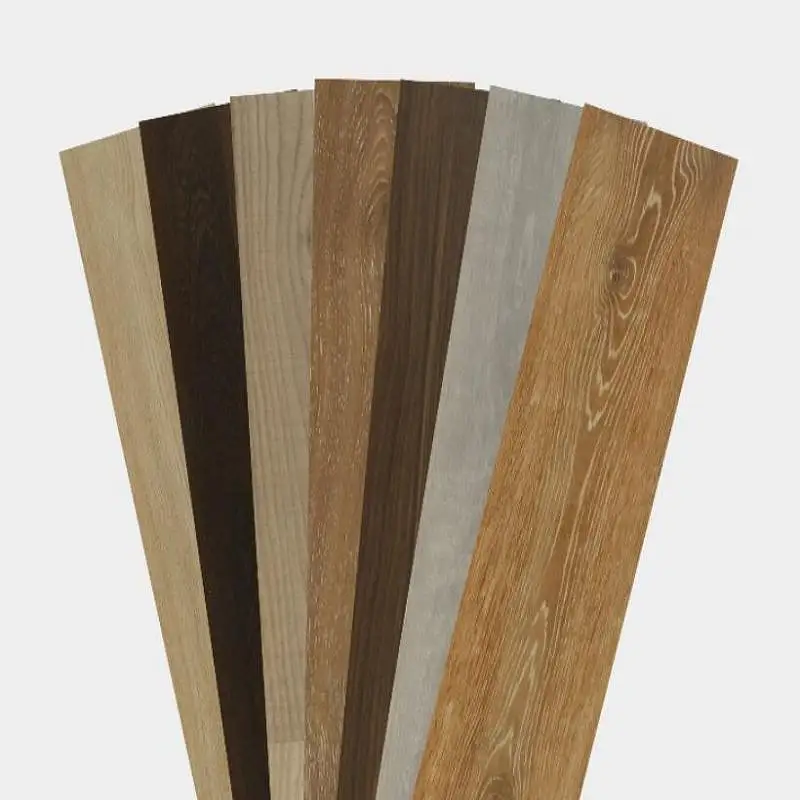
Laminate flooring is a composite, multi-layered synthetic product designed to simulate the appearance of wood or stone (). Its structure is key to understanding its maintenance needs. Let’s peel back the layers:
- Die Abnutzungsschicht: This is the topmost, transparent layer and our primary area of concern. It is typically made from an aluminum oxide-infused melamine or urethane resin. Think of it as a clear, incredibly hard, non-porous shield. Its job is to resist scratches, stains, and fading. Because it is non-porous, it cannot absorb oils, waxes, or soaps. Instead, these substances dry on its surface, creating the very film we are trying to avoid.
- Die Design-Ebene: Just beneath the wear layer lies a high-resolution photograph of wood, stone, or other natural material. The clarity of the wear layer is paramount to allowing this design to show through vibrantly. When the wear layer is clouded with residue, the beauty of this design layer is obscured.
- Die Kernschicht: This is the bulk of the plank, usually made of High-Density Fiberboard (HDF) or Medium-Density Fiberboard (MDF). This core is essentially wood composite. Its critical vulnerability is moisture. When excessive water from improper mopping seeps through the seams between planks, this core can swell, warp, and delaminate, causing permanent damage that cannot be repaired. This is a fundamental difference from materials like luxury vinyl tile (LVT), which often feature a waterproof core ().
- Der Backing Layer: The bottom layer is a melamine or similar polymer layer that provides stability to the plank and a degree of moisture resistance from below.
Understanding this layered construction reveals the central challenge: we must clean a non-porous plastic topcoat without allowing excess moisture to penetrate the seams and damage the water-sensitive wood-composite core.
The Culprits of Cloudiness: Identifying the Sources of Film
The film on your floors is not mysterious; it is a physical deposit. Identifying its source is the first step in eliminating it.
- Chemical Residue from Improper Cleaners: This is the most common cause. Many general-purpose floor cleaners, dish soaps, oil soaps (like Murphy Oil Soap), and products like Pine-Sol contain surfactants, detergents, oils, and conditioning agents. While these are effective on other surfaces, on a non-porous laminate wear layer, they leave behind a sticky, opaque residue. This residue not only looks bad but also acts like a magnet for dust and footprints, making the floor get dirty faster. For a deeper dive into why certain household cleaners are unsuitable, exploring a pinesol on laminate floors can provide further clarity.
- Hard Water Minerals: If you live in an area with hard water, your tap water contains dissolved minerals like calcium and magnesium. When you mop with this water, the water itself evaporates, but the minerals are left behind as a fine, chalky deposit. This is the same limescale that builds up on your shower doors and faucets.
- Dirty Application Tools: Mopping with a dirty mop head or reusing soiled water is like trying to wash your hands in a muddy puddle. You are simply spreading a thin layer of grime across the entire floor. As the water evaporates, this fine layer of dirt becomes the film you see.
The Psychology of Clean: Why We Reach for the Wrong Products
Our cleaning habits are often shaped by decades of marketing and sensory expectations. We associate the scent of pine or lemon with cleanliness. We equate suds and foam with cleaning power. We desire a “squeaky clean” feel underfoot. These expectations lead us to choose products that deliver these sensory cues. However, the very ingredients that create these effects—fragrance oils, foaming agents, and surfactants—are what cause residue on laminate.
To succeed, we must retrain our senses. For laminate, true clean is not a smell; it is the absence of residue. True clean is not a slippery, conditioned feel; it is a neutral, film-free surface. This requires a cognitive shift from seeking the addition of a “clean” scent or feel to pursuing the subtraction of all foreign matter from the floor’s surface.
Step 1: Assembling the Ideal Toolkit for a Streak-Free Finish
Before we even think about the cleaning solution, we must ensure we have the right instruments. Using the wrong tools can make a perfect, film-free finish impossible, even with the best cleaner. The goal is to equip ourselves for precision, control, and efficiency.
The Mop: Microfiber is Non-Negotiable
If there is one single tool that will revolutionize how you clean laminate floors, it is the microfiber flat mop. Let’s consider why it is so superior to its traditional counterparts.
- String Mops: These are the worst offenders. They are designed to hold a large volume of water, making it nearly impossible to achieve the “damp mop” standard required for laminate. They are difficult to wring out evenly and tend to push dirty water into grout lines or, in our case, the vulnerable seams of laminate planks.
- Sponge Mops: While better at controlling water than string mops, sponge mops are notorious for pushing dirt around rather than lifting it. They also tend to leave streaks as the sponge material drags across the surface.
- Steam Mops:These should never be used on laminate flooring. Manufacturers () are clear on this. The combination of high heat and concentrated moisture can force steam into the plank seams, causing the HDF core to swell, warp, and delaminate. It can also damage the adhesive holding the layers together and may void your flooring warranty.
A microfiber flat mop with a reusable, washable pad is the professional’s choice. The science behind it is compelling. Microfiber threads are incredibly fine—many times thinner than a human hair—and are split during manufacturing. This creates a vast surface area with millions of tiny hooks and loops.
- Mechanical Cleaning: These fibers physically scrape up and trap dust, dirt, and bacteria.
- Electrostatic Charge: When used dry or damp, microfiber generates a static charge that attracts and holds onto dust particles.
- Capillary Action: The spaces between the fibers create a powerful capillary action, pulling liquid and dissolved dirt into the pad.
This means a microfiber mop cleans more effectively with far less water and chemical solution, which is exactly what laminate flooring requires. Look for a mop with a sturdy, telescoping handle and a swivel head to easily reach under furniture and along baseboards.
The Vacuum: Suction and Soft Bristles are Key
The companion to your mop is a good vacuum cleaner. The critical feature is the ability to handle hard surfaces without causing damage. Many vacuums have a beater bar—a rotating brush with stiff bristles designed to agitate carpet pile. On laminate, this beater bar can be destructive. It can scatter debris rather than collecting it and, more importantly, its stiff bristles can create micro-scratches in the aluminum oxide wear layer over time.
Choose a vacuum with one of these features:
- A “Hard Floor” Setting: This option either stops the beater bar from spinning or retracts it, relying on suction alone.
- A Soft-Bristle Brush Head: Some vacuums come with an interchangeable head specifically designed for hard floors, featuring very soft, fine bristles that gently sweep debris toward the suction inlet.
- A Canister Vacuum with a Floor Tool: Classic canister vacuums with a wide, flat floor tool (usually with small, soft wheels) are excellent for laminate.
The Buckets: A Two-Bucket System for True Cleanliness
This is a simple yet transformative technique borrowed from professional car detailers and janitorial experts. Using a single bucket means you are repeatedly dipping your mop into an increasingly contaminated solution. The two-bucket method prevents this cross-contamination.
- Bucket 1 (Solution Bucket): This holds your clean, properly diluted mopping solution.
- Bucket 2 (Rinse Bucket): This is filled with plain, clean water.
The process, which we will detail later, involves dipping the mop in the solution, mopping a section, and then rinsing the dirty mop pad in the rinse bucket before ever putting it back into the solution bucket. This ensures your cleaning solution stays clean throughout the entire job.
The Cleaning Solution: The Art of Simplicity
Here, we must resist the urge to use complex, heavily scented products. The best solutions for laminate are the simplest. Below is a comparison of common options.
| Cleaner Type | Composition | Pros | Cons | Film Risk |
|---|---|---|---|---|
| pH-Neutral Commercial | Formulated specifically for laminate; free of oils, waxes, and soaps. | Safe, effective, often no-rinse, tested by manufacturers. | Higher cost, must read labels carefully to ensure it’s truly for laminate. | Very Low |
| DIY Vinegar Solution | 1 part white vinegar to 16 parts water (e.g., ¼ cup per gallon). | Inexpensive, disinfects, effectively cuts through grease and grime. | The acidic nature could potentially dull the finish over many years of frequent use; some dislike the odor. | Niedrig (if highly diluted) |
| DIY Alcohol Solution | 1 part isopropyl alcohol (70%) to 4 parts water. | Evaporates extremely quickly, making it virtually streak-proof. Excellent for spot cleaning. | Can be drying to the surface with overuse; strong initial odor. | Very Low |
| Distilled Water Only | Pure H₂O with minerals removed. | The absolute safest option; zero risk of chemical residue. | May not be powerful enough to remove greasy or oily footprints and spills. | None (if water is distilled) |
| Soap/Oil-Based Cleaners | Any product containing detergents, oils, waxes, or “shine enhancers.” | May provide a temporary pleasant smell or shine. | Guaranteed to leave a dulling, sticky residue that attracts more dirt and is difficult to remove. | Extremely High |
A special note on distilled water: Using distilled water for your cleaning solution, whether with vinegar, alcohol, or alone, is a pro-level tip. It completely eliminates the risk of hard water mineral deposits, taking one of the key variables for film creation out of the equation.
Step 2: The Crucial Preparation Phase – Removing Surface Debris
To think of mopping as a single action is the first mistake. Effective floor cleaning is a process, and the preparatory step of dry debris removal is arguably the most important. Skipping this stage guarantees a subpar result and can even damage your flooring.
The Dry Sweep/Vacuum: Your First Line of Defense
Imagine trying to wipe a dusty table with a wet cloth. You wouldn’t lift the dust; you would create mud. The same principle applies to your floors. Laminate floors are covered in loose particles: dust, hair, pet dander, crumbs, and, most critically, grit and sand brought in from outside.
If you apply a mop to this surface, two negative things happen:
- You create a slurry: The moisture from your mop combines with the loose dirt, creating a muddy liquid. Your mop then spreads this slurry across the floor. As it dries, it becomes a uniform layer of grime—a film.
- You cause abrasion: The grit and sand trapped in your mop pad are dragged across the floor’s wear layer. This acts like fine-grit sandpaper, creating thousands of microscopic scratches. Over time, these micro-scratches accumulate, permanently dulling the floor’s finish and making it more susceptible to staining.
Therefore, you must meticulously remove all loose debris before any moisture is introduced.
- Best Method: Use your vacuum cleaner on its hard floor setting. Work systematically across the room, using a crevice tool along baseboards and in corners where dust bunnies congregate.
- Alternative Method: If you don’t have a suitable vacuum, a dry microfiber dust mop is an excellent alternative. Its electrostatic properties will grab and hold onto fine dust and hair. A traditional soft-bristle broom can also work, but it tends to kick more dust into the air.
This is not a step to be rushed. A few extra minutes spent here will save you immense frustration later. The cleaner the floor is before you mop, the cleaner it will be after.
Spot Treatment: Tackling Scuffs and Spills First
During your dry-cleaning pass, take note of any specific problem areas. It is far more effective to treat these individually than to hope the mop will take care of them.
- Minor Scuffs: For black heel marks or scuffs from furniture, a simple pencil eraser or a tennis ball can often work wonders. Gently rub the mark until it disappears, then wipe away the residue.
- Sticky Spots: A dried drop of juice or soda can be tackled with a damp microfiber cloth. For stubborn or greasy spots, you can apply a tiny amount of your DIY alcohol solution directly to the cloth, rub the spot until it dissolves, and then wipe with a clean, water-dampened section of the cloth.
- Tougher Stains: For things like ink, nail polish, or permanent marker, you may need a solvent. Always test in an inconspicuous area first (e.g., inside a closet). A cloth lightly dampened with acetone (nail polish remover) or mineral spirits can be effective, but use it sparingly and immediately wipe the area with a water-dampened cloth to remove any solvent residue.
Addressing these issues beforehand prevents your main mop pad from becoming instantly soiled and spreading the mess.
Protecting Your Baseboards and Furniture
This final preparatory step demonstrates a commitment to a professional-quality job.
- Move small items like chairs, floor plants, and wastebaskets out of the room entirely.
- For heavy furniture you cannot move, be prepared to work around it carefully.
- Pay attention to your baseboards. They accumulate dust just like the floor. A quick wipe with a dry cloth or the brush attachment of your vacuum prevents that dust from falling onto your clean, damp floor.
With a completely clear and dust-free surface, you have now set the stage for a successful mopping. You have transformed the task from a battle against grime into a simple finishing step.
Step 3: Mixing and Applying the Cleaning Solution Correctly
Having prepared the surface and chosen our tools, we now arrive at the chemistry of the clean. The precision used here is just as important as the preparation. The goal is a solution potent enough to break down surface soil but gentle and sparse enough to evaporate without a trace.
The Perfect Potion: Dilution Ratios Matter
More is not better. This is the cardinal rule of laminate floor cleaning. A concentrated cleaning solution is a guaranteed recipe for residue. You must adhere to the correct dilution ratios to create a solution that cleans effectively and flashes off the surface quickly.
Let’s think about why. A cleaner works by using molecules that have a hydrophilic (water-attracting) end and a lipophilic (oil-attracting) end. The lipophilic end attaches to greasy dirt, and the hydrophilic end allows it to be carried away by water. If you use too much cleaner, there aren’t enough water molecules to carry away all the cleaner molecules. The excess cleaner is left behind on the floor after the water evaporates, forming a film.
Here are the precise, tested recipes:
- For a DIY Vinegar Solution:
- Ratio: 1 part white vinegar to 16 parts water.
- Practical Measurement: In a standard one-gallon container, add one-quarter cup (60 ml) of white vinegar. Fill the rest of the gallon with warm (not hot) water. Using warm water helps dissolve dirt more effectively and promotes faster evaporation.
- For a DIY Alcohol Solution:
- Ratio: 1 part isopropyl alcohol to 4 parts water.
- Practical Measurement: In a one-gallon container, add three cups (about 700 ml) of 70% isopropyl alcohol. Fill with warm water. This higher concentration of alcohol is what gives it its rapid, streak-free evaporation.
- For a Commercial pH-Neutral Cleaner:
- Follow the manufacturer’s instructions to the letter. If it recommends 2 ounces per gallon, do not use 3 ounces thinking it will clean better. The manufacturer has formulated the product for optimal performance and evaporation at that specific dilution. Using more will likely cause the very streaking the product was designed to prevent.
Pro Tip: Use a spray bottle. For many, a bucket system can still lead to using too much water. An alternative is to mix your chosen solution in a clean spray bottle. This allows you to apply a very fine mist directly to the floor section by section, giving you maximum control over the amount of moisture used.
The Art of the “Damp” Mop: Less is More
This is the most critical physical technique to master. A mop that is too wet will not only leave excess water that can damage your floor’s core but will also dissolve more solids (cleaner, dirt, hard water minerals) that are then left behind as a film.
Here is how to achieve the perfect “dampness”:
- Place your clean, dry microfiber mop pad on your mop head.
- If using the two-bucket method, submerge the mop head in your cleaning solution bucket.
- Lift it out and press it firmly against the side of the bucket, or use a wringer if available.
- Now, wring it out again, by hand if necessary. Twist the pad until no more water drips out.
- The pad should feel only slightly cool and damp to the touch, not wet.
If using a spray bottle, the process is even simpler. Keep the mop pad dry or very lightly misted with water. Mist a small section of the floor ahead of you and then mop it. The goal is to apply just enough liquid to break up the dirt, allowing the microfiber to trap it, and then have that moisture evaporate within 30-60 seconds. If a section is still visibly wet after a minute, you are using too much liquid.
The Two-Bucket Tango: A Step-by-Step Guide
If you opt for the bucket method, here is the dance you’ll perform to keep your tools and floor pristine.
- Prepare: Fill Bucket 1 with your perfectly diluted cleaning solution. Fill Bucket 2 with clean, plain water (distilled is best).
- Charge the Mop: Submerge your clean microfiber mop head into Bucket 1 (the solution).
- Wring to Damp: Wring the mop out thoroughly as described above until it is just damp.
- Mop a Section: Clean a manageable area of the floor (e.g., 5×5 feet).
- Rinse the Dirt: Take the now-soiled mop head to Bucket 2 (the rinse water). Agitate it vigorously in the water to release the trapped dirt.
- Wring Again: Wring the mop out completely to expel the dirty rinse water.
- Recharge and Repeat: Return the clean, damp mop head to Bucket 1 to pick up fresh solution, wring it to perfect dampness, and move on to the next section.
You will see the water in Bucket 2 become progressively murkier, while the solution in Bucket 1 remains relatively clean. This is visual proof that you are removing dirt from your floor, not just pushing it around.
Step 4: The Mopping Technique – Motion and Method for a Flawless Floor
With a properly prepared surface and a correctly loaded mop, the final piece of the puzzle is the physical act of mopping. Your movements should be deliberate, systematic, and aligned with the flooring itself to produce a uniform, professional finish.
Go with the Grain: The Professional’s Secret
Laminate planks, like the real wood they emulate, have a directional grain and often feature micro-beveled edges or textured surfaces (a technique known as “Embossed in Register” or EIR). Mopping parallel to the length of the planks—”with the grain”—offers a distinct advantage.
Think of it this way: even with a perfectly damp mop, you are leaving behind a microscopic amount of moisture. When you mop with the grain, this moisture settles into the tiny grooves of the texture and the seams between the planks. As it dries, any minuscule trace of it is hidden within the natural pattern of the floor.
If you mop perpendicular to the grain (“cross-grain”), your mop strokes run across these textures and seams. Any remaining moisture is now sitting perpendicular to the visual lines of the floor, making it far more likely to be perceived as a streak once dry. It’s a subtle but powerful optical trick that separates an amateur finish from a professional one.
The “S” or “Figure-Eight” Motion: Systematic and Efficient
Avoid a haphazard, back-and-forth scrubbing motion. A structured pattern ensures complete coverage and prevents you from pushing dirt back onto areas you’ve just cleaned.
- The “S” Pattern: Start with the mop head against the baseboard at one end of your section. Pull the mop straight back towards you. At the end of the stroke, without lifting the mop, pivot and push it forward on a path slightly overlapping your first stroke. Continue this “S” or zig-zag pattern across your work area. This method keeps the leading edge of the mop consistently pushing debris forward and away, rather than sloshing it side to side.
- The Figure-Eight: This is often used for spot cleaning but can be adapted for larger areas. It involves moving the mop in a continuous, overlapping figure-eight pattern. This is effective for agitating and lifting dirt in a contained area.
The key to both methods is to slightly overlap each pass, ensuring no “holidays” (missed spots) are left behind. Always pull the mop towards you when possible, as this gives you more control and is ergonomically easier than pushing.
Working in Sections and Backing Out
Never mop yourself into a corner. This seems obvious, but in the flow of cleaning, it’s an easy mistake to make. Mentally divide the room into manageable sections (e.g., quadrants).
- Start at the Farthest Point: Identify the exit of the room. Begin your mopping in the corner farthest from that exit.
- Complete a Section: Thoroughly mop your first section using the techniques above.
- Move Systematically: Move to the adjacent section, continuing to work your way backward toward the door.
- Final Pass: Your last strokes should be leading you right out of the room.
This ensures you never have to walk on a freshly mopped, still-damp area. Footprints on a damp floor are a primary cause of smudges and streaks. Let the floor dry completely, undisturbed. With the correct damp-mopping technique, this should only take a few minutes.
To Rinse or Not to Rinse? Debunking the Myth
A common question is whether you should do a final pass with a mop dampened with only plain water to “rinse” the floor. With the methodology we have established, this is not only unnecessary but can be counterproductive.
- If you use the right cleaner (pH-neutral or properly diluted DIY) and the correct “damp mop” technique, there is no significant residue to rinse away. The tiny amount of cleaning agent evaporates along with the water.
- A “rinse” pass re-introduces water to the floor. If you are using tap water, you are adding a fresh layer of hard water minerals that can dry into a film.
- It doubles your work and the amount of moisture your floor is exposed to.
The exception to this rule is if you are actively trying to remove an existing film from a previous improper cleaning. In that specific restoration scenario, a rinse pass might be necessary after using a stripping solution (like a stronger vinegar mix). But for routine maintenance cleaning, a rinse is not part of the process. Trust in your tools and your technique.
Step 5: The Final Touch – Drying and Buffing for an Unbeatable Shine
You have prepared, mixed, and mopped with precision. The floor is drying, and it already looks worlds better. This final, quick step is about ensuring absolute perfection and setting yourself up for long-term success.
The Importance of Immediate Drying (If Necessary)
In a perfect world, your damp mopping will leave behind such a fine film of moisture that it evaporates in under a minute, leaving no trace. However, even experienced users can occasionally have a section that’s a little too wet, or you might be working in a very humid environment where evaporation is slow.
If you see any standing water or areas that remain dark with moisture for more than a minute or two, it’s wise to actively dry them. Do not let water sit on a laminate floor, especially near the seams.
The Method:
- Remove the damp microfiber pad from your mop head.
- Attach a completely clean, dry microfiber pad.
- Simply go over the overly damp areas with the dry pad. It will instantly absorb the excess moisture.
This is not about scrubbing; it’s a light, quick pass to blot up the extra water. This single action is a crucial safeguard against both water damage to the core and the formation of mineral-deposit spots.
Buffing for Brilliance: An Optional Step for Perfectionists
Once the floor is completely dry, you may notice that while it is clean, it doesn’t have that perfectly uniform, lustrous sheen you see in showrooms. This is often due to the microscopic variations left as the last traces of moisture evaporate. Buffing is the secret to an absolutely flawless finish.
The Method:
- Ensure the floor is 100% dry.
- Using a clean, dry microfiber pad on your mop head (the same one you might have used for drying, as long as it’s still dry), simply “mop” the entire floor again.
- Use long, smooth strokes, going with the grain of the planks.
- Apply light pressure. You are not scrubbing; you are polishing.
This action does two things: First, it picks up any final, minuscule dust particles that may have settled on the floor as it dried. Second, it buffs the non-porous wear layer, much like you would buff a car’s clear coat, aligning the reflection of light and creating a deep, even, and satisfying sheen. It takes only a few minutes and elevates the result from “clean” to “professionally detailed.”
Long-Term Maintenance: Preventing Future Film Buildup
The ultimate goal is to make cleaning easier over time, and that comes from preventative care. A pristine floor is easier to keep pristine.
- Use High-Quality Doormats: Place mats both outside and inside every exterior door. This is the single most effective way to trap the abrasive grit, dirt, and moisture that are the floor’s primary enemies.
- Regular Dry Dusting: The more frequently you vacuum or dry-dust your laminate floors (daily, in high-traffic areas), the less dirt will be present when it’s time to mop. This makes mopping faster and more effective.
- Tackle Spills Immediately: Laminate’s wear layer is stain-resistant, not stain-proof. Wipe up spills with a damp cloth as soon as they happen to prevent them from drying and becoming a cleaning challenge.
- Use Furniture Pads: Place soft, felt pads under the legs of all furniture to prevent scratches and scuffs when items are moved.
- Stick to the System: Now that you know how to clean & mop laminate floors without leaving film, make it your routine. Resist the temptation to grab that all-purpose cleaner for a “quick” mop. Consistency is what keeps film from ever building up in the first place. By incorporating these practices, you are not just cleaning; you are actively preserving the life and beauty of your investment. Many homeowners find that a well-maintained floor, following these principles, becomes a point of pride. For more comprehensive guides on flooring care, exploring a dedicated resource like china laminate flooring factory can offer a wealth of knowledge.
Häufig gestellte Fragen (FAQ)
1. How can I remove a heavy, existing waxy buildup or film from my laminate floors?
If your floors have a significant film from months or years of using the wrong cleaners, a standard mopping may not be enough. You will need to perform a “stripping” process. Mix a stronger solution of 1 cup of white vinegar per gallon of warm water. Working in small, manageable sections, apply the solution with a microfiber cloth on your hands and knees, or with a mop, and let it sit for 2-3 minutes to dissolve the buildup. Then, gently scrub the area with a soft-bristled brush or a non-abrasive scrub pad. Immediately wipe the section dry with a clean, dry microfiber towel. This is labor-intensive and may require multiple passes. Once the film is gone, you can switch to the routine maintenance method described in this article.
2. Is it ever truly safe to use a steam mop on laminate flooring?
The consensus among virtually all flooring manufacturers () and flooring experts is an emphatic no. While some steam mop companies may claim their products are safe for sealed floors, laminate’s vulnerability is its seams and core, not just its surface. The high-pressure steam can penetrate the microscopic gaps between planks, introducing moisture and heat directly to the HDF core. This can cause swelling, peeling, and delamination, which is irreversible damage and will almost certainly void your flooring warranty.
3. What is the best commercial cleaner for laminate floors to avoid film?
Look for products specifically formulated and marketed for laminate flooring. The key phrases to find on the label are “pH-neutral,” “residue-free,” “film-free,” and “safe for laminate.” Avoid any product that promises to “shine,” “polish,” or “restore,” as these often contain acrylics or waxes that create buildup. It is always a good practice to test a new cleaner in an inconspicuous spot before using it on the entire floor.
4. How often should I actually mop my laminate floors?
The frequency depends entirely on your household’s traffic. For high-traffic areas like kitchens and entryways, a weekly mopping is reasonable. For low-traffic areas like bedrooms or formal living rooms, mopping every two to four weeks is often sufficient. However, dry maintenance—sweeping or vacuuming—should be done much more frequently, even daily in high-traffic zones, to manage abrasive grit and dust.
5. Why do my floors look clean and shiny when they are wet, but then dry to a streaky, hazy mess?
This is the classic visual evidence of residue. When the floor is wet, the water temporarily fills in the uneven surface of the film, creating a smooth, transparent layer that allows light to pass through to the design layer, making it look clear and vibrant. However, as the water evaporates, the microscopic hills and valleys of the soap, oil, or mineral residue are re-exposed. This uneven surface scatters light in multiple directions instead of reflecting it uniformly, which the eye perceives as a dull, hazy, or streaky finish.
Schlussfolgerung
The journey to a flawlessly clean laminate floor concludes not with a secret product, but with an enlightened approach. The persistent, frustrating film that so many battle is a direct and predictable outcome of a misalignment between method and material. By understanding that a laminate floor is a layered composite with a non-porous shield over a water-sensitive core, the logic of the solution becomes clear. It is a process rooted in subtraction—the removal of debris—rather than the addition of soaps and scents.
Embracing the right tools, particularly the gentle yet effective microfiber mop, is the first practical step. This is followed by a disciplined commitment to the principle of “less is more”: less water, less cleaner, and a reliance on simple, pH-neutral solutions that clean and then vanish. The techniques of mopping with the grain and working systematically out of a room are not just professional habits; they are acknowledgments of the floor’s physical properties and the way our eyes perceive light and texture.
Ultimately, mastering how to clean & mop laminate floors without leaving film is an empowering act. It replaces frustration with confidence and transforms a chore into a craft. By respecting the material science of your floors, you become not just their cleaner, but their caretaker, ensuring they reflect your home’s beauty and your own thoughtful attention for years to come.
Referenzen
Coretec. (2024). Beautiful & durable luxury vinyl plank flooring. Retrieved from
KBS Floor. (2024). LVT & LVP flooring manufacturer. Retrieved from
Lanmeco. (n.d.). How to clean SPC flooring? Retrieved from https://www.lanmeco.com/How-to-clean-SPC-flooring-id46442347.html
Tarkett. (2025). Flooring solutions for home. Retrieved from
Xiangrong. (n.d.). About us. Retrieved from
Carsem Floor. (2025). Leading flooring manufacturer in China since 2002. Retrieved from